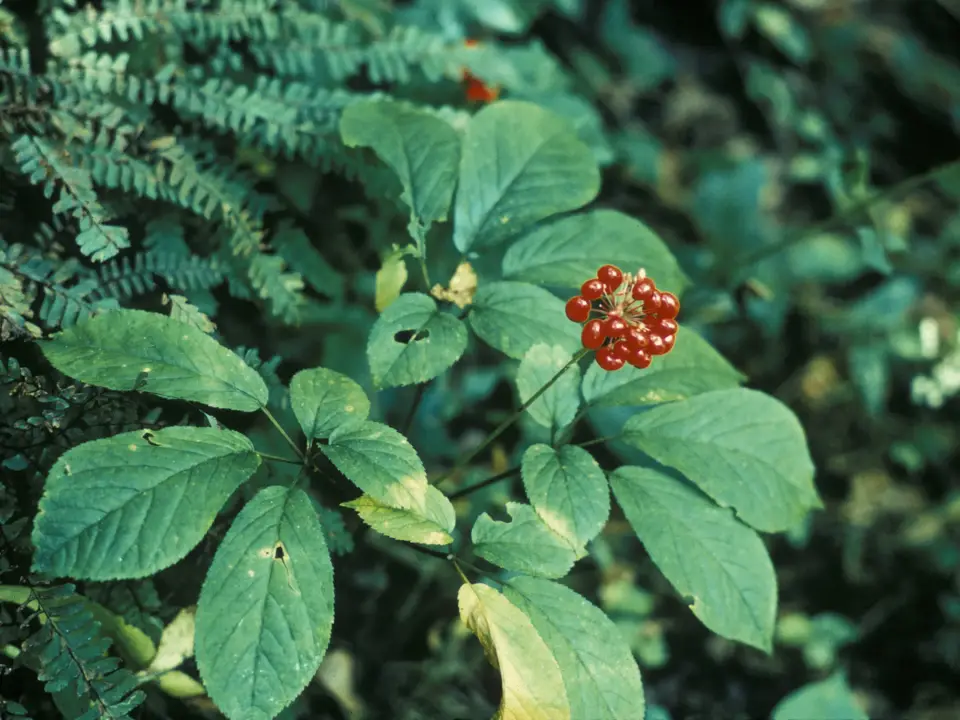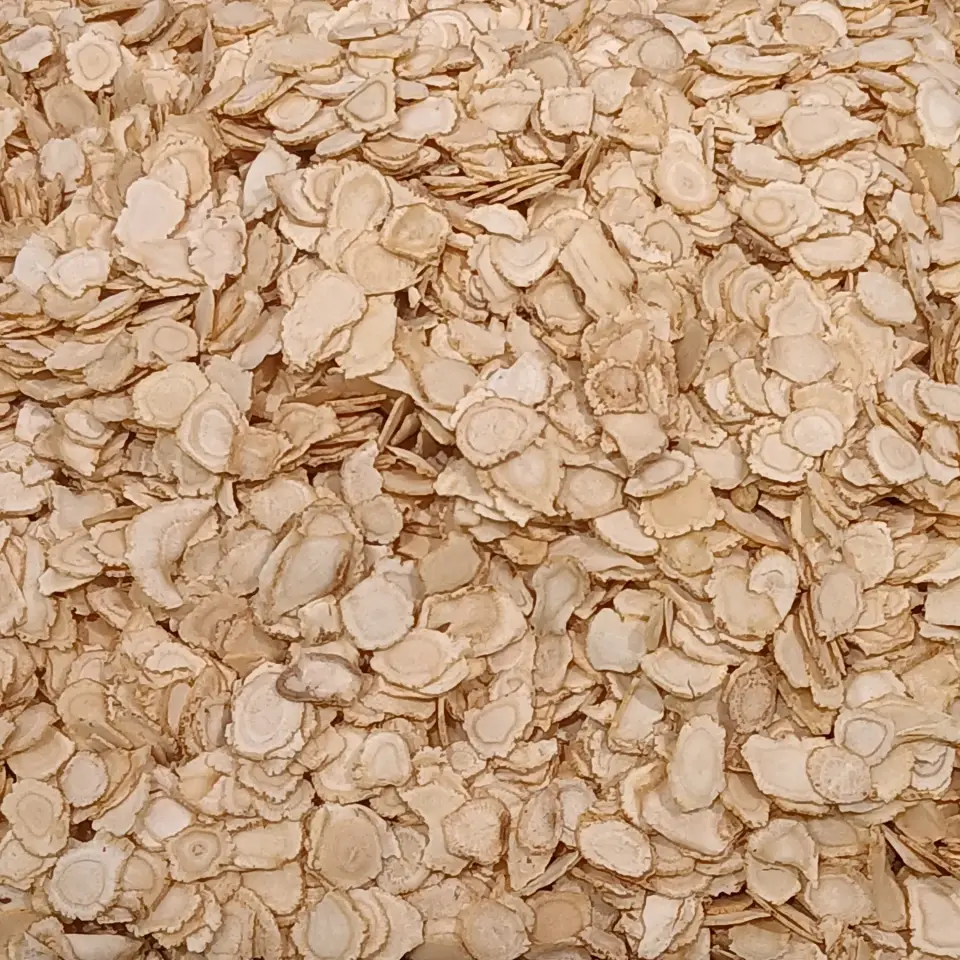
Wild American ginseng (Panax quinquefolius) and farmed American ginseng are the same species, and buyers have paid for the wild root's age for a long time. A dried pound of field grown root fetched about $10 to $25 in an Ohio State University guide, while wild and wild simulated roots averaged $350 to $500 a pound over a ten year span (Ohio State Extension). The gap comes from age, shape and scarcity, and the cultivated root is the form the blood sugar trials used.
Age, Shape and Scarcity Set the Price
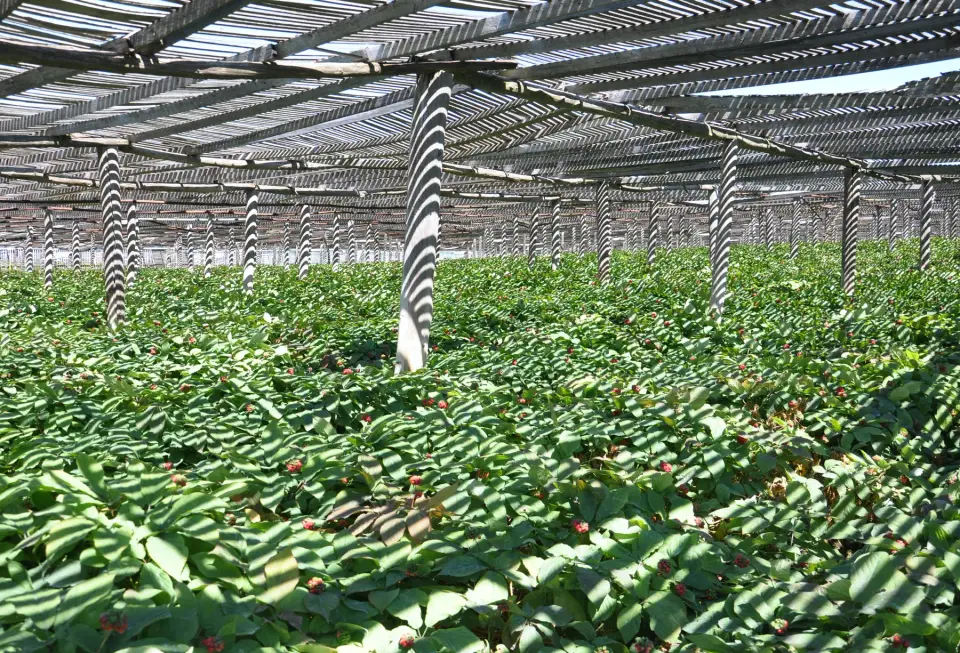
A field grown root is harvested after three to four years under artificial shade, grows "large and carrot like", and comes from beds that cost $10,000 to $20,000 an acre to build (Ohio State Extension). A wild root may need ten or more years in the forest understory to reach a marketable size (Penn State Extension). Buyers pay for that time. They judge shape, colour, well developed stress rings around the root, and age, counting the annual scars on the neck to verify it, and older roots are generally worth more (Penn State Extension). Wild simulated roots look the part: "much smaller, gnarlier" than the smooth farmed root (Ohio State Extension). That slow forest growth is why the wild root has held its price.
Where wild American ginseng is very rare in Canada, listed as nationally endangered, with a wild harvest considered unsustainable, the root became Canada's second most important export after fur soon after its discovery in 1715 (Environment and Climate Change Canada). In Ontario, wild plants were nearly gone by the end of the 1800s, which is when the Hellyer family near Waterford began farming it from wild seed (Ontario Ginseng Growers Association), and that farmed root is how the species stayed in trade.
CITES and the Permit Chain
Wild American ginseng has been listed in Appendix II of CITES, the international treaty on trade in endangered species, since 1975 (Penn State Extension). Appendix II means trade continues with the right permits, as Canada's CITES office puts it (Environment and Climate Change Canada). In the United States, the Fish and Wildlife Service regulates ginseng through its Division of Scientific Authority and Division of Management Authority, and export of wild root continues from states that show each year that the harvest is not harming the wild population (Wisconsin DNR). Export permit applications go through the USFWS American ginseng page. Exported wild roots must be at least five years old, and in practice at least three pronged (Penn State Extension), so the roots that travel are the mature ones buyers have always prized.
Where exporting wild American ginseng from Canada is prohibited, and so is possessing wild root collected there, cultivated root moves with a CITES export permit from the Canadian Wildlife Service, while powders, extracts and teas are exempt (Environment and Climate Change Canada). Ontario growers say a permit must travel with each package under 4.5 kilograms, and authorised retailers supply it at purchase (Ontario Ginseng Growers Association), which is how cultivated American ginseng keeps reaching buyers.
Harvest Seasons and Age Rules
Each state sets its own season and rules so the plants that are taken are mature. Where harvest is prohibited on Wisconsin state land, the legal season runs September 1 to November 1 with a harvest licence ($15.75 for residents, $30.75 for non residents), from plants with three or more prongs and a flowering or fruiting stalk, and harvesters plant every seed nearby so the woods keep the next generation (Wisconsin DNR). Pennsylvania runs September 1 through November 30 and takes three pronged plants with red berries, with green root held back from April 1 to September 1 so the season stays with ripe plants (Penn State Extension). Where poaching in Ohio is a third degree misdemeanor, the licensed season runs September 1 through December 31 and keeps the harvest on mature roots (Ohio State Extension).
Wild root then moves through licensed dealers. Wisconsin harvesters may sell to a licensed dealer between September 1 and March 31, and any shipment out of state carries a certificate of origin (Wisconsin DNR). That paper trail is what lets a mature wild root be exported as wild.
Wild Simulated and Woods Grown Fill the Middle
Between field beds and the forest sit two farming styles. Woods grown ginseng is planted in tilled raised beds under natural tree shade and harvested at six to eight years, fetching about $100 a pound. Wild simulated ginseng is seeded into the forest floor and left alone for seven to twelve years, and sells at wild prices (Ohio State Extension). Wisconsin law counts a root started from seed in wild forest habitat and never nurtured as wild (Wisconsin DNR). Wild simulated is the way to get a forest grown root, and it leaves the wild population in the ground.
Cultivated Root Lowered the After Meal Rise
In the one human trial that put wild American ginseng next to the farmed root, 12 healthy adults took 3 grams of eight ginseng types before a sugar drink. Where the wild American ginseng raised blood sugar at the 120 minute mark, cultivated American ginseng tended to lower blood sugar at 90 minutes (Sievenpiper 2004). On the outcome that trial measured, the cultivated root is the one that lowered the rise.
The chemistry of both forms is rich. A 2022 analysis found wild roots richer in ocotillol type ginsenosides, with five compounds 2.3 to 54.5 times more abundant than in cultivated roots, while cultivated roots held 2.6 to 14.4 times more of six others, including Rd and malonyl Rb1 (Liu 2022). That distinct chemistry is part of why both forms of the species are prized. Where one farmed batch with a low ginsenoside profile did nothing for blood sugar in a 2003 trial of 12 people (Sievenpiper 2003), and a 2005 trial found six market batches varied widely in quality (Stavro 2005), a root with a known ginsenoside content is what carried the after meal effect. See how to choose American ginseng.
A Long Lived Plant, Still in Trade
Where the wild plant can take three to eight years to flower, so harvest pressure and habitat loss are why Canada listed it, labs now use mass spectrometry to tell wild from cultivated root and from Korean and Chinese species (Shaw 2025), and chemical fingerprints can place a root to its growing region with over 90 percent accuracy (Shuai 2022). Those tools protect the wild plant. A licensed dealer with a certificate of origin, or a wild simulated root, puts Panax quinquefolius in your hand, the species the trials used (Environment and Climate Change Canada).
Our tolerability guide has the full record, and wild and farmed roots share the same tolerability record, tolerated like placebo across the trials whatever the root's origin.
Cultivated American ginseng is the root that tended to lower the after meal blood sugar rise, and it is the form the wider trials used.
References
- Sievenpiper JL et al. 2004. Decreasing, null and increasing effects of eight popular types of ginseng on acute postprandial glycemic indices in healthy humans: the role of ginsenosides. J Am Coll Nutr.
- Liu Z et al. 2022. Comparison of Phytochemical Profiles of Wild and Cultivated American Ginseng Using Metabolomics by Ultra-High Performance Liquid Chromatography-High-Resolution Mass Spectrometry. Molecules.
- Sievenpiper JL et al. 2003. Variable effects of American ginseng: a batch of American ginseng (Panax quinquefolius L.) with a depressed ginsenoside profile does not affect postprandial glycemia. Eur J Clin Nutr.
- Stavro PM et al. 2005. North American ginseng exerts a neutral effect on blood pressure in individuals with hypertension. Hypertension.
- Shaw JE et al. 2025. A high throughput ambient mass spectrometric approach for identifying the poaching of wild american ginseng. Environ Syst Res (Heidelb).
- Shuai M et al. 2022. Geographical origin of American ginseng (Panax quinquefolius L.) based on chemical composition combined with chemometric. J Chromatogr A.
- Wisconsin DNR. Wisconsin Wild Ginseng Program: Regulations and licensing.
- U.S. Fish and Wildlife Service. American Ginseng (Panax quinquefolius).
- Environment and Climate Change Canada. American ginseng and Trade in protected species: international convention.
- Ontario Ginseng Growers Association. About and Frequently asked questions.
- Penn State Extension. American Ginseng.
- Ohio State University Extension. Growing American Ginseng in Ohio: An Introduction.
Nothing here is medical advice. If you take prescription medication, talk with your doctor before adding American ginseng.