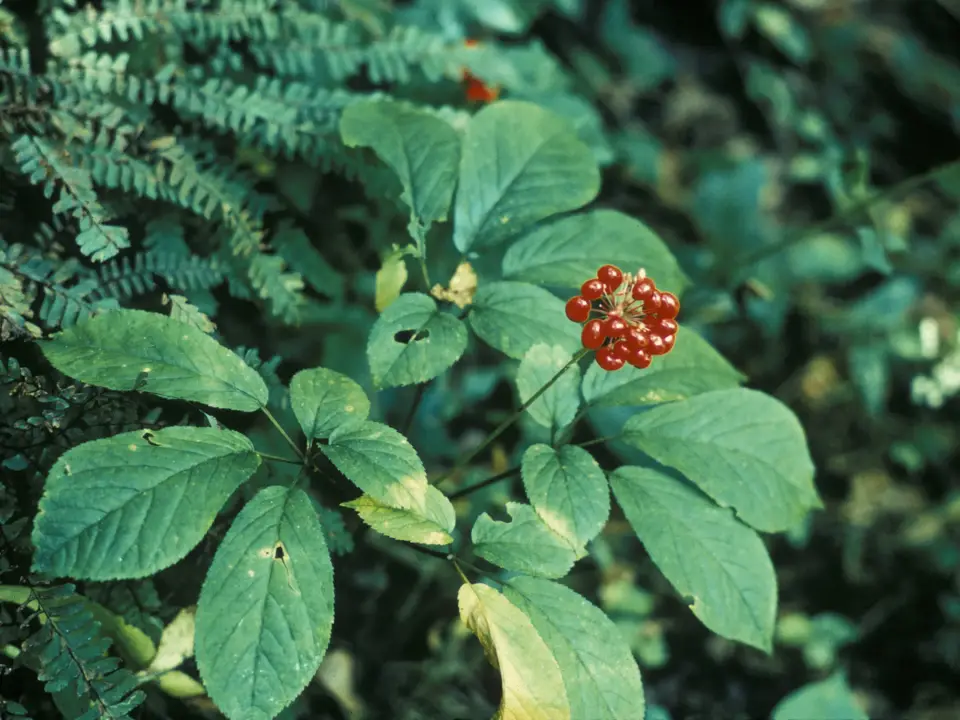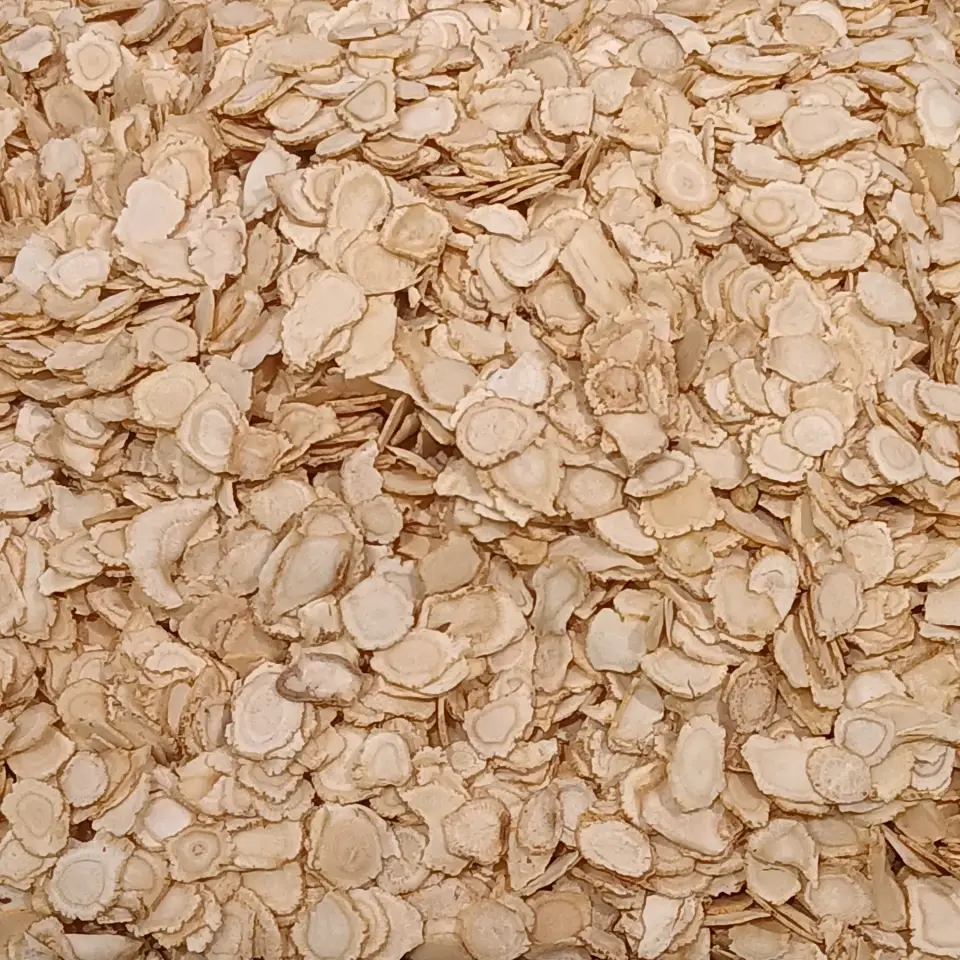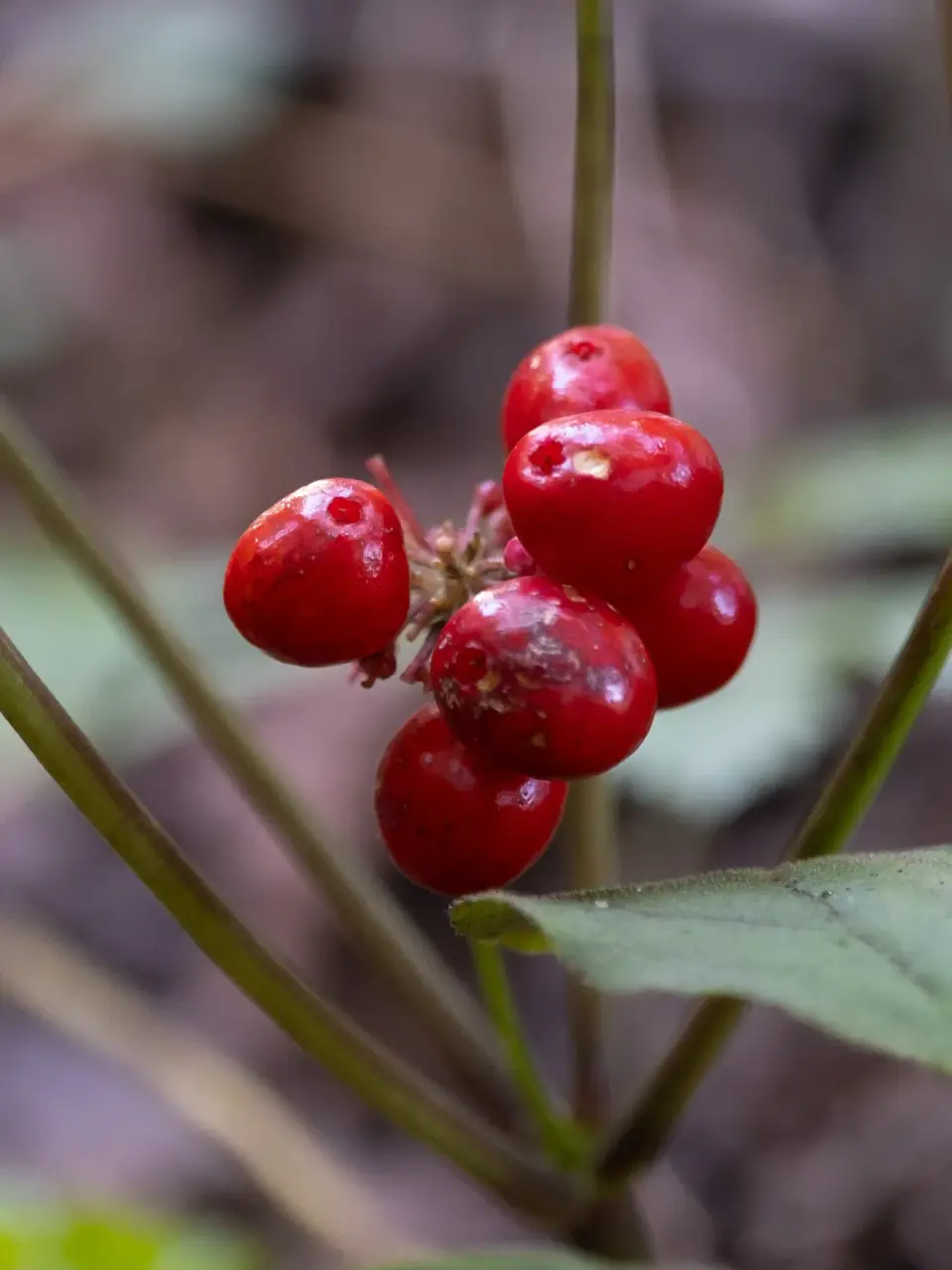
Taking American ginseng 40 minutes before a meal optimizes its ability to manage blood sugar. This specific timing allows the root to prepare your body for glucose intake. You can achieve steady energy and a calmer glycemic response through this long-used tradition.
It Lowers Blood Sugar After Meals
Timing is essential for those without diabetes to see a benefit. A 2000 study of 10 nondiabetic subjects and 9 subjects with type 2 diabetes found that taking 3 g of ginseng 40 minutes before a glucose challenge significantly reduced postprandial glycemia (Vuksan 2000). This timing ensures the root is active before the meal begins.
The effect is most pronounced when the root is not taken simultaneously with food. In the same 2000 trial, nondiabetic subjects saw no difference in blood sugar when ginseng was taken together with the glucose challenge (Vuksan 2000). Taking the root 40 minutes early provides a clear advantage for glucose control.
This timing helps maintain a more stable internal environment. The 2000 study reported that the area under the glycemic curve was reduced by 18% for nondiabetic subjects and up to 22% for those with type 2 diabetes when taken before the meal (Vuksan 2000). You gain a steady metabolic response from this precise schedule.
It Improves Glucose Tolerance
The 40-minute window is a reliable standard for improving how your body handles sugar. A 2000 study of 10 nondiabetic individuals found that 3, 6, or 9 g of ground root taken 40 minutes before a glucose challenge reduced incremental glucose at 30, 45, and 60 minutes (Vuksan 2000). This creates a smoother transition after eating.
Higher doses can further enhance this effect. The same 2000 study found that 9 g of root reduced incremental postprandial glucose more than 3 g at the 60-minute mark (Vuksan 2000). All doses from 3 to 9 g reduced the area under the incremental glucose curve by 26.6% to 38.5% (Vuksan 2000).
Consistency in timing supports long-term metabolic health. Whether taken at 40, 80, or 120 minutes before a challenge, the root improved glucose tolerance in nondiabetic individuals (Vuksan 2000). The 40-minute mark remains a primary target for those seeking american-ginseng-for-blood-sugar.
It Works with a Range of Doses
You do not need excessive amounts to see a difference in blood sugar. This allows for flexibility in your american-ginseng-dosage.
The timing is more critical than the dose amount.
Lower doses are effective for many. You can achieve a significant glycemic response with a small amount of the root.
A 2000 study of 10 nondiabetic individuals tested doses of 3, 6, and 9 g of ground root (Vuksan 2000). All three doses reduced postprandial incremental glucose at 30, 45, and 60 minutes (Vuksan 2000). You can find a dose that fits your needs while maintaining the benefit.
It Supports Long-term Glycemic Control
Using the root as a daily adjunct can lead to lasting improvements. A 2019 double-blind, cross-over trial of 24 individuals with type 2 diabetes found that 1 g of extract per meal, totaling 3 g per day, significantly reduced HbA1c by 0.29% (Vuksan 2019). This provides a steady foundation for blood sugar management.
The root also helps lower fasting blood glucose. The 2019 study reported a significant reduction in fasting blood glucose of 0.71 mmol/L (Vuksan 2019). This demonstrates the strength of the root when used consistently over 8 weeks.
Beyond glucose, the root supports cardiovascular health. The same 2019 trial found that American ginseng lowered systolic blood pressure by 5.6 mmHg and reduced LDL-C by 12.3% (Vuksan 2019). You receive multiple systemic benefits from this daily habit.
The 2019 study also measured serum nitrates and nitrites. American ginseng increased NOx by 1.85 micromol/L (Vuksan 2019).
It Is Safe for Extended Use
You can incorporate this timing into your life for months without concern. A 2014 study of 74 participants with type 2 diabetes used 3 g per day of extract, taken 40 minutes before meals, for 12 weeks (Mucalo 2014). The study found that safety was not compromised in this high cardiovascular risk population.
The root is well tolerated across various organ systems. The 2014 trial monitored kidney function, liver function, and haemostatic function, finding no change in any safety measures from baseline (Mucalo 2014). This confirms the root's gentle nature.
Adverse events do not differ from placebos. The number and severity of side effects were the same for those taking the root as for those taking the placebo (Mucalo 2014). You can enjoy the benefits of the root with a high level of tolerability.
The root is recognized for its quality and traditional use. The Hong Kong Chinese Materia Medica Standards provide identity and quality standards for the root (Hong Kong Chinese Materia Medica Standards). This ensures you use a root with a long record of strength.
It Maintains a Neutral Effect on Blood Pressure
You can take your ginseng 40 minutes before meals without worrying about acute spikes in blood pressure. A randomized, double-blinded trial of 16 hypertensive individuals found that 3 g of powdered root exerted a neutral acute effect on blood pressure (Stavro 2005). This allows for a calm and steady experience.
The root does not cause significant hemodynamic shifts. Over a 160-minute period, none of the North American ginseng batches differed from the placebo in their effect on overall mean blood pressure change (Stavro 2005).
This neutrality makes it a safe choice for those managing hypertension. Even in individuals already taking antihypertensive medications, the root remained neutral (Stavro 2005). You can focus on your american-ginseng-benefits with peace of mind.
The root is used for various studied benefits and is generally well tolerated. Memorial Sloan Kettering notes that American ginseng is used for its effects on the body (Memorial Sloan Kettering About Herbs). This supports the root's role as a steady companion for health.
It Provides a Steady Energy Foundation
By managing the post-meal glucose spike, the root helps you avoid the mid-day crash. This leads to a more consistent level of focus and vitality. Many users say they feel a more balanced energy throughout the day when they time their dose before eating.
The root's ability to attenuate glycemia prevents the sharp rises and falls that cause fatigue. This steady state supports your cognitive clarity and physical endurance. You can maintain a calm focus on your tasks while the root works in the background.
A 2010 study of 40 healthy individuals examined the effect of a standardized extract on lymphocytes (Lee 2010). The extract reduced micronuclei yield and ROS while increasing total antioxidant capacity (Lee 2010). This cellular protection supports your overall vitality.
By taking American ginseng 40 minutes before a meal, you optimize your body's use of energy. This practice ensures you leave every meal with a reason to feel steady and strong.
References
- Vuksan V et al. 2019. Efficacy and safety of American ginseng (Panax quinquefolius L.) extract on glycemic control and cardiovascular risk factors in individuals with type 2 diabetes: a double-blind, randomized, cross-over clinical trial. Eur J Nutr.
- Mucalo I et al. 2014. American Ginseng Extract (Panax quinquefolius L.) Is Safe in Long-Term Use in Type 2 Diabetic Patients. Evid Based Complement Alternat Med.
- Stavro PM et al. 2005. North American ginseng exerts a neutral effect on blood pressure in individuals with hypertension. Hypertension.
- Vuksan V et al. 2000. American ginseng (Panax quinquefolius L) reduces postprandial glycemia in nondiabetic subjects and subjects with type 2 diabetes mellitus. Arch Intern Med.
- Vuksan V et al. 2000. American ginseng improves glycemia in individuals with normal glucose tolerance: effect of dose and time escalation. J Am Coll Nutr.
- Lee TK et al. 2010. Radioprotective effect of American ginseng on human lymphocytes at 90 minutes postirradiation: a study of 40 cases. J Altern Complement Med.
- Memorial Sloan Kettering About Herbs. Ginseng (American), About Herbs.
- Hong Kong Chinese Materia Medica Standards. Hong Kong Chinese Materia Medica Standards, Volume 3: Radix Panacis Quinquefolii.
Nothing here is medical advice, and anyone on prescription medication can mention American ginseng to a doctor while enjoying a root people have trusted for centuries.