The trials behind American ginseng used specific forms at specific doses, and the label is how you find that root. Where one batch in a 2003 trial did nothing because its ginsenoside content was low, choosing starts with the species, the origin, the age or grade of the root, and for an extract, what it is standardised to. A label that states those facts is what puts the studied root in your hand.
What the Label Should Say
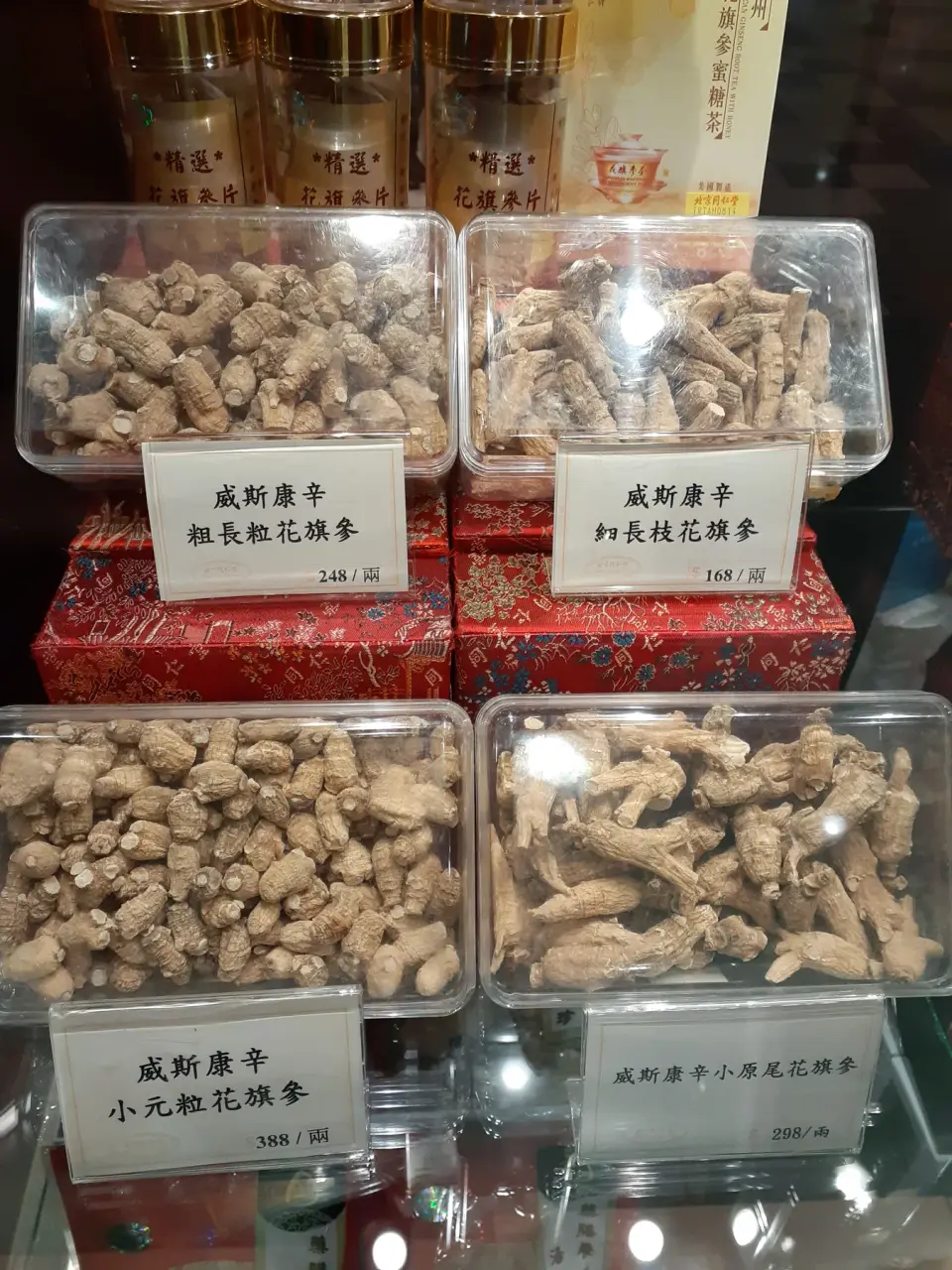
Four things. First, the species name, Panax quinquefolius, written out. Where "ginseng" alone can mean Korean ginseng, Siberian ginseng, which is a different plant entirely, or a blend, the full species name is what matches the trials. Second, the origin. Almost all cultivated American ginseng comes from Wisconsin or Ontario, and both have grower bodies with a seal. The Ginseng Board of Wisconsin licenses its seal to companies that buy authentic Wisconsin ginseng, and products carrying it must contain 100 percent Wisconsin grown and harvested root (Ginseng Board of Wisconsin). The Ontario Ginseng Growers Association, which represents more than 150 growers, asks buyers to look for its Running Root logo, which marks a product as 100 percent Panax quinquefolius grown in Ontario soil (Ontario Ginseng Growers Association).
Third, for whole root or powder, the age or grade. Wisconsin growers say a root takes a minimum of three to four years from planting to harvest, and the value is in that slow growth (Ginseng Board of Wisconsin). Fourth, for an extract, the standardisation: what percentage of ginsenosides, or of polysaccharides, the extract contains. A label that states that percentage is what lets you match the capsule to the extract the trials used.
Which Form the Trials Used for Which Goal
Ground root in capsules is the form behind blood sugar, fatigue and blood pressure. The blood sugar trials used 1 to 3 grams of ground root 40 minutes before a meal (Vuksan 2001). The 2013 fatigue trial of 364 cancer survivors used 2,000 mg a day of Wisconsin ginseng (Barton 2013). The 2005 blood pressure trial of 16 people used 3 grams of powdered root (Stavro 2005). Root powder in capsules is the closest supermarket form to all three, and those gram doses are what the trials tied to their benefits.
A standardised extract is the form behind memory and focus. Every working memory trial used Cereboost, standardised to 10.65 percent ginsenosides, at 100 to 400 mg (Scholey 2010). A different extract, CVT-E002, sold as COLD-fX, is the form behind the cold trials. It is standardised to 80 percent polysaccharides, and the 2005 trial of 323 adults used two capsules a day for four months (Predy 2005, Vohra 2008). A third, HT1001, improved working memory in a 2012 trial of 64 people with schizophrenia (Chen 2012). Where a generic extract at the same milligram dose has not been tested, these named extracts are the ones that sharpened memory and cut colds.
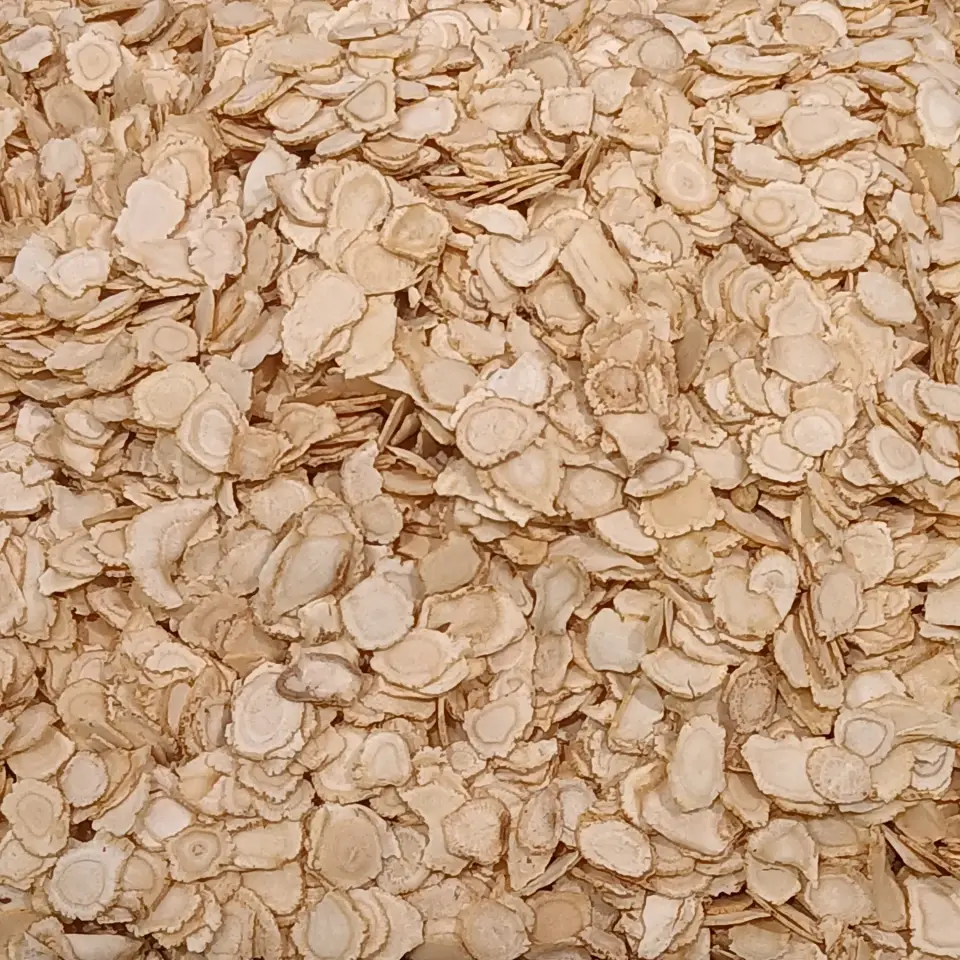
Where whole root slices and tea have no numbered trial behind them, tea remains the traditional way people have taken the root, and the capsule doses that match the trials are in American ginseng dosage.
A Strong Ginsenoside Profile Carries the Effect
In 2003 the Toronto group that had shown the blood sugar effect four times tested a new batch, 6 grams in 12 healthy adults. Where that batch did not move blood sugar, analysis showed it contained 1.66 percent total ginsenosides, with the key ratios well below the batches that had worked (Sievenpiper 2003). The batches with the stronger profile are the ones that cut the rise.
A 2004 crossover trial of 12 healthy adults then compared eight ginseng types at 3 grams each. Where Asian ginseng raised the rise and wild American ginseng raised the two hour reading, cultivated American ginseng tended to lower it, and the ratio of two ginsenoside families was the only chemical predictor of the effect (Sievenpiper 2004). A 2007 trial of 12 healthy adults tested five batches of Ontario grown root at 9 grams. Where two of the five fell short of the expected effect, the average batch cut the blood sugar rise by 27.7 percent (Dascalu 2007). A label that names its ginsenoside content is how a buyer finds the profile that carried that drop.
What Wild Simulated Means
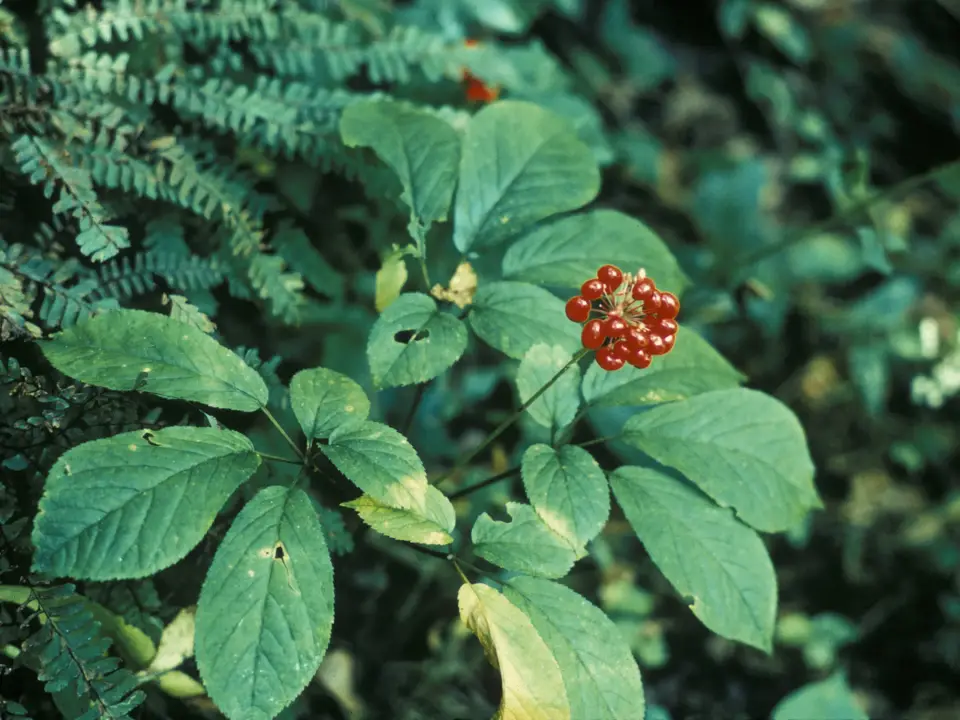
West Virginia's ginseng rules define wild simulated ginseng as ginseng planted on purpose in the woods, with no bed prepared and no chemical weed, disease or pest control, as against cultivated ginseng grown in beds under artificial shade (West Virginia Code of State Rules 22-1-2). Because wild American ginseng is listed under the CITES treaty, the US Fish and Wildlife Service requires an export permit for it, and all wild and wild simulated roots for export must come from plants at least five years old. Age is read from the stem scars on the root neck: a five year old plant carries four (US Fish and Wildlife Service). A 2022 chemical study found wild and cultivated roots carry measurably different ginsenoside profiles (Liu 2022), which is part of why both forms of this species are prized. The trials used cultivated root, and wild vs cultivated American ginseng explains how that farmed root carried the studied effects.
A Named Species and an Origin Seal Identify the Root
Powder is the easiest form to dilute. A 2026 study built a detector for American ginseng powder cut with Angelica dahurica, Astragalus, Panax notoginseng or wheat flour, because the authors describe the powder as frequently adulterated with low cost substitutes (Zhai 2026). A 2025 forensic study showed a mass spectrometry method that separates wild and cultivated American ginseng from Korean ginseng and notoginseng, built to catch poaching and mislabelling (Shaw 2025). A 2022 study separated roots grown in the United States, Canada and two regions of China by their chemistry, with 92.9 percent accuracy (Shuai 2022).
Where those tests are lab tools, what you can use at the counter is the species name, an origin seal, a named extract with a percentage, and a seller who can tell you the farm. Korean ginseng has its own research, covered at American vs Korean ginseng, and a product that names Panax quinquefolius is the species these trials tested.
The trials above used verified root, which is one more reason the seal and the species name matter. Our tolerability guide has the full record, and at those verified doses the root was tolerated like placebo.
American ginseng benefits lays out the studied effects. A root that names Panax quinquefolius and its ginsenoside profile is the one those trials tied to steadier blood sugar, sharper memory, fewer colds and less cancer tiredness.
References
- Vuksan V et al. 2001. American ginseng (Panax quinquefolius L.) attenuates postprandial glycemia in a time-dependent but not dose-dependent manner in healthy individuals. Am J Clin Nutr.
- Barton DL et al. 2013. Wisconsin Ginseng (Panax quinquefolius) to improve cancer-related fatigue: a randomized, double-blind trial, N07C2. J Natl Cancer Inst.
- Stavro PM et al. 2005. North American ginseng exerts a neutral effect on blood pressure in individuals with hypertension. Hypertension.
- Scholey A et al. 2010. Effects of American ginseng (Panax quinquefolius) on neurocognitive function: an acute, randomised, double-blind, placebo-controlled, crossover study. Psychopharmacology (Berl).
- Predy GN et al. 2005. Efficacy of an extract of North American ginseng containing poly-furanosyl-pyranosyl-saccharides for preventing upper respiratory tract infections: a randomized controlled trial. CMAJ.
- Vohra S et al. 2008. Safety and tolerability of North American ginseng extract in the treatment of pediatric upper respiratory tract infection: a phase II randomized, controlled trial of 2 dosing schedules. Pediatrics.
- Chen EY et al. 2012. HT1001, a proprietary North American ginseng extract, improves working memory in schizophrenia: a double-blind, placebo-controlled study. Phytother Res.
- Sievenpiper JL et al. 2003. Variable effects of American ginseng: a batch of American ginseng (Panax quinquefolius L.) with a depressed ginsenoside profile does not affect postprandial glycemia. Eur J Clin Nutr.
- Sievenpiper JL et al. 2004. Decreasing, null and increasing effects of eight popular types of ginseng on acute postprandial glycemic indices in healthy humans: the role of ginsenosides. J Am Coll Nutr.
- Dascalu A et al. 2007. Five batches representative of Ontario-grown American ginseng root produce comparable reductions of postprandial glycemia in healthy individuals. Can J Physiol Pharmacol.
- Liu Z et al. 2022. Comparison of Phytochemical Profiles of Wild and Cultivated American Ginseng Using Metabolomics by Ultra-High Performance Liquid Chromatography-High-Resolution Mass Spectrometry. Molecules.
- Zhai D et al. 2026. Rapid identification of adulteration in American ginseng powder using near-infrared spectroscopy combined with machine learning. Spectrochim Acta A Mol Biomol Spectrosc.
- Shaw JE et al. 2025. A high throughput ambient mass spectrometric approach for identifying the poaching of wild american ginseng. Environ Syst Res (Heidelb).
- Shuai M et al. 2022. Geographical origin of American ginseng (Panax quinquefolius L.) based on chemical composition combined with chemometric. J Chromatogr A.
Nothing here is medical advice. If you take prescription medication, talk with your doctor before adding American ginseng.