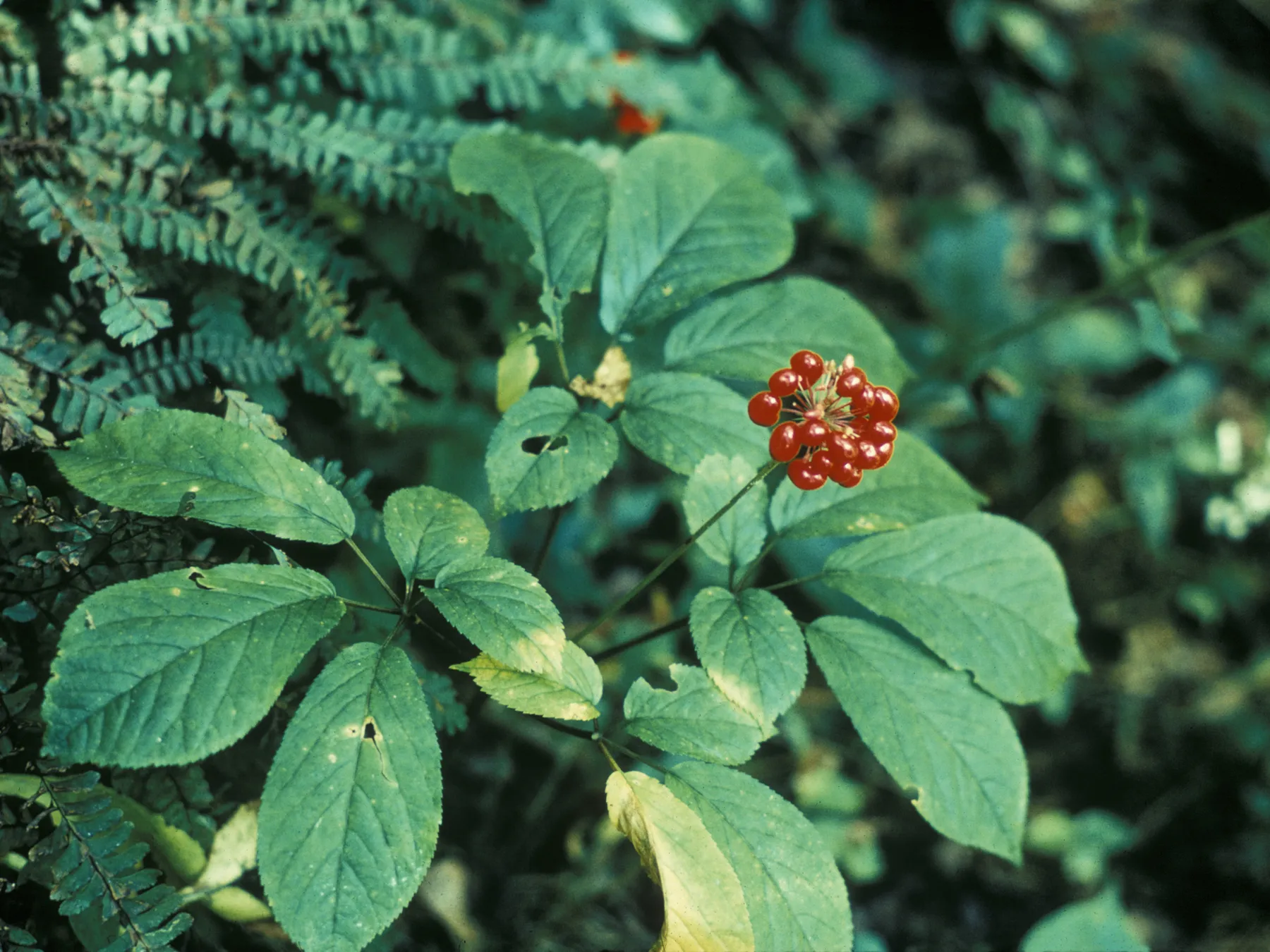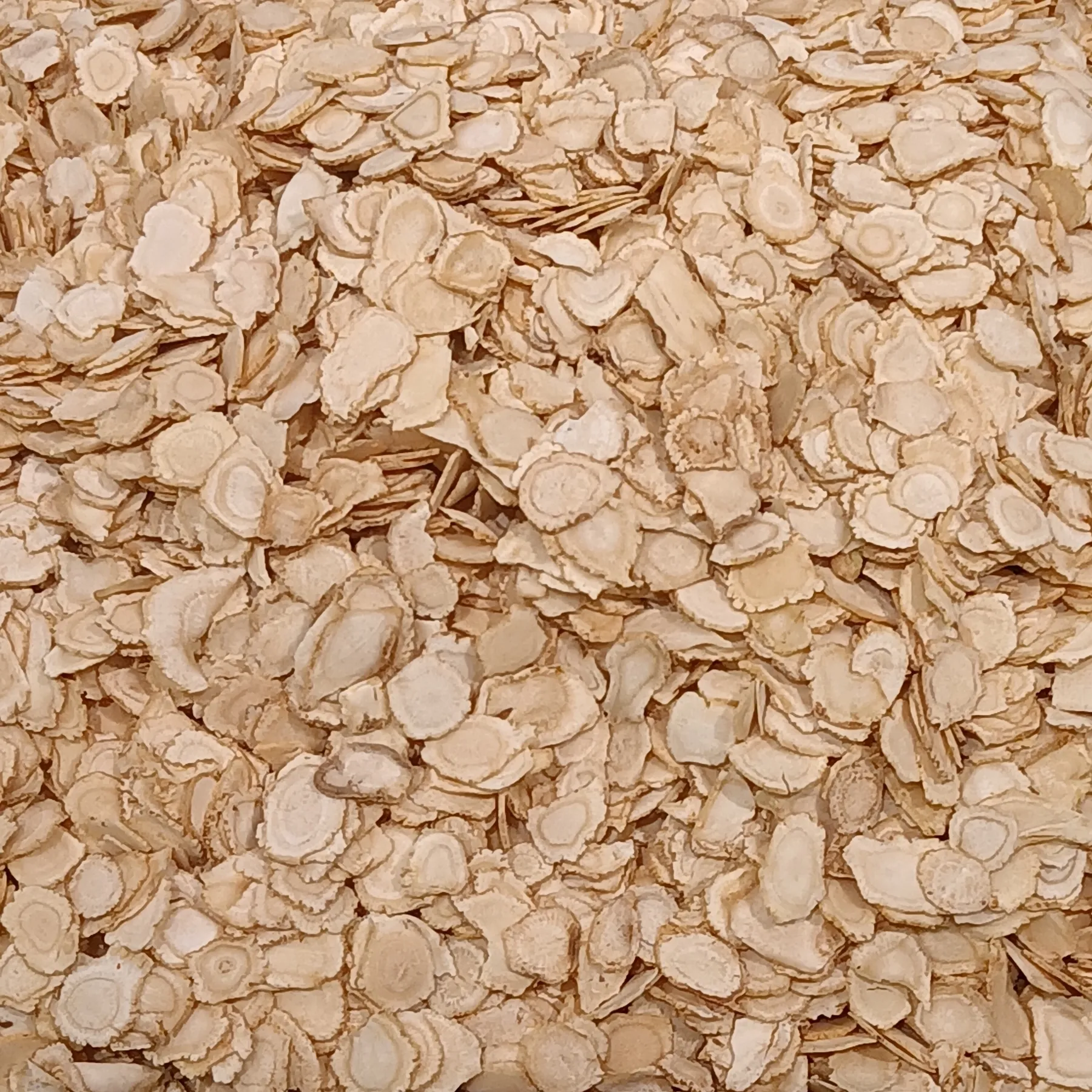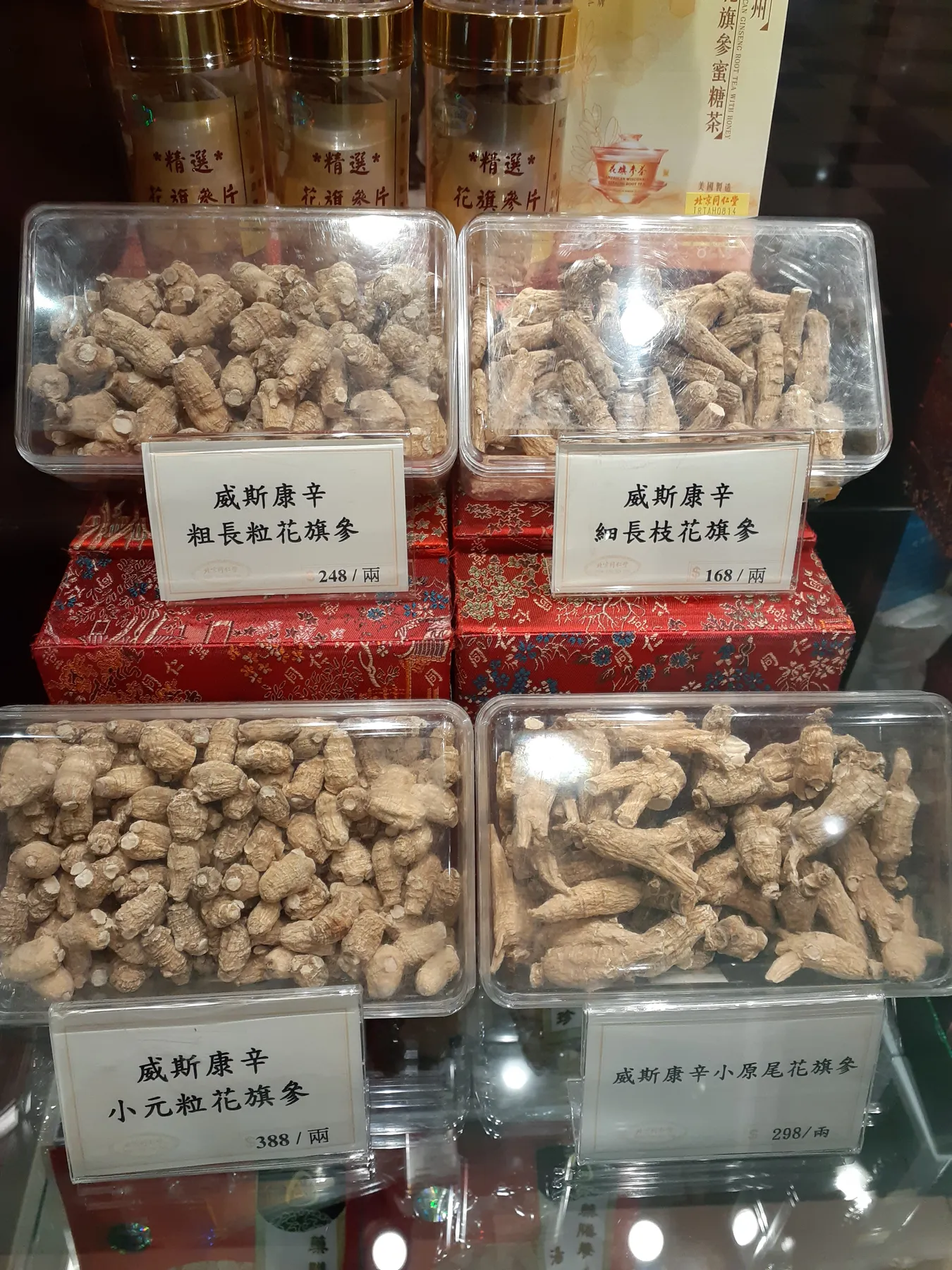
American ginseng has one of the cleanest safety records of any herb that has been through large trials. In the biggest of them, 364 cancer survivors took 2,000 mg a day for 8 weeks and reported no more side effects than the placebo group. Where one interaction, with the blood thinner warfarin, belongs in the conversation with your doctor, the trials still show a root people tolerated at those doses for weeks.
Side Effects Matched Placebo in the Big Trials
The 2013 trial of 364 cancer survivors measured side effects two ways, by self report and by the cancer toxicity scale that doctors use, and found no statistically significant difference between 2,000 mg a day of ginseng and placebo over 8 weeks (Barton 2013). The 2010 dose finding trial of 290 people found the same at 750, 1,000 and 2,000 mg a day (Barton 2010).
A 2006 crossover trial of 52 people with hypertension on 3 grams a day for 12 weeks found cystatin C, a blood marker of kidney function, held steady (Stavro 2006). The 2019 crossover trial of 24 people with type 2 diabetes on 3 grams of extract a day for 8 weeks reported liver and kidney safety markers unaffected (Vuksan 2019). The 2011 trial of 56 people with multiple sclerosis reported no serious adverse events at 100 to 400 mg a day (Kim 2011).
Two reviews agree. A 2018 review of 10 fatigue studies found a low risk of adverse events (Arring 2018), and a 2021 review of cancer fatigue trials across three species found all were well tolerated with few mild side effects (Sadeghian 2021). No single side effect stands out in any of these reports as more common on ginseng than on placebo, and that match to placebo is the safety strength of the root.
Warfarin: Tell the Clinic, Then the Record Is Tolerability
A 2004 trial of 20 healthy adults gave everyone warfarin for 3 days in week 1, then American ginseng or placebo from week 2, then warfarin again for 3 days in week 4. Where two weeks on ginseng lowered the peak INR, the standard measure of how thin the blood is, by 0.19 and lowered the level of warfarin in the blood, the clinic that checks the INR can keep that reading in range (Yuan 2004). Where most other herbs in a 2017 review of 9 randomised trials left warfarin's effect unchanged, American ginseng was the herb to tell that clinic about, and across the other large trials the root was tolerated like placebo (Choi 2017).
Indinavir: Blood Levels Held Steady
A 2008 study gave 13 healthy volunteers the HIV drug indinavir, then added 1 gram of American ginseng three times a day for 14 days. Blood levels of indinavir held steady (Andrade 2008). A 2017 review for family doctors placed American ginseng among the supplements with a low likelihood of drug interactions (Asher 2017). That steady profile is the strength of the root alongside most medicines.
Heart Rate, Pressure and Blood Sugar Held Steady Over Four Months
In one small 2009 trial of 25 postmenopausal women aged 55 to 75, where 12 who took two 500 mg capsules of whole root powder a day for 4 months showed higher blood and urine markers of oxidative stress, heart rate, blood pressure and blood sugar held steady, and the larger trials found the root well tolerated over similar periods (Dickman 2009).
Blood Pressure: Steady, or Lower in Diabetes
Where old warnings said ginseng raises blood pressure, this species holds the reading steady. A 2005 trial of 16 people with hypertension tested six different batches at 3 grams and found blood pressure held steady over the next 160 minutes (Stavro 2005). The 2006 trial of 52 people with hypertension found 24 hour blood pressure held steady after 12 weeks at 3 grams a day (Stavro 2006).
In type 2 diabetes the root lowered the top number. A 2013 trial of 64 people with diabetes and hypertension found 3 grams of extract a day for 12 weeks lowered systolic pressure by 11.7 percent on top of their usual medicines (Mucalo 2013), and the 2019 trial of 24 people with diabetes found systolic pressure down 5.6 mmHg (Vuksan 2019). Where you already take blood pressure medicines, tell your doctor, and those trials still found the top number lower on the root.
The After Meal Drop Pairs with the Meal
American ginseng lowers the blood sugar rise after a meal. Where the authors of the first 2000 trial noted that people without diabetes should take it with a meal in view (Vuksan 2000), that timing is how the after meal benefit lands with food. If you take insulin or tablets that lower blood sugar, tell your doctor, since the 2019 trial lowered fasting glucose by 0.71 mmol/L on top of usual treatment. That drop is the daily blood sugar strength of the root.
Adults Have the Long Tolerability Record
Where no trial has tested American ginseng in pregnancy or during breastfeeding, the tolerability record sits with adults, and in those trials side effects matched placebo at the doses above.
Children have one trial of their own. Where this is one trial of one extract during a single cold, a 2008 safety trial of 46 children aged 3 to 12 gave the polysaccharide extract CVT-E002 at two weight based doses or placebo and found no serious adverse events, with side effects matching across the three groups, and that short course was well tolerated in children (Vohra 2008).
What Users Report
Where a few people mention an unsettled stomach when they take root powder without food, and a few who take it late in the day say it kept them alert into the evening, most people describe a quiet course that is gentler than Korean ginseng, which fits the calm species and its long use.
Safety Notes
Where you take warfarin or diabetes medicines, talk with your doctor before you start, and where you are in cancer treatment, tell your oncology team. Across the large trials, side effects matched placebo, including 2,000 mg a day for 8 weeks, and the root was well tolerated for the length of those courses.
For doses and how long each trial ran, see American ginseng dosage and American ginseng benefits. The same root that matched placebo for side effects steadied after meal blood sugar, sharpened working memory and eased cancer tiredness.
References
- Barton DL et al. 2013. Wisconsin Ginseng (Panax quinquefolius) to improve cancer-related fatigue: a randomized, double-blind trial, N07C2. J Natl Cancer Inst.
- Barton DL et al. 2010. Pilot study of Panax quinquefolius (American ginseng) to improve cancer-related fatigue: a randomized, double-blind, dose-finding evaluation: NCCTG trial N03CA. Support Care Cancer.
- Stavro PM et al. 2006. Long-term intake of North American ginseng has no effect on 24-hour blood pressure and renal function. Hypertension.
- Vuksan V et al. 2019. Efficacy and safety of American ginseng (Panax quinquefolius L.) extract on glycemic control and cardiovascular risk factors in individuals with type 2 diabetes: a double-blind, randomized, cross-over clinical trial. Eur J Nutr.
- Kim E et al. 2011. American ginseng does not improve fatigue in multiple sclerosis: a single center randomized double-blind placebo-controlled crossover pilot study. Mult Scler.
- Arring NM et al. 2018. Ginseng as a Treatment for Fatigue: A Systematic Review. J Altern Complement Med.
- Sadeghian M et al. 2021. Ginseng and Cancer-Related Fatigue: A Systematic Review of Clinical Trials. Nutr Cancer.
- Yuan CS et al. 2004. Brief communication: American ginseng reduces warfarin's effect in healthy patients: a randomized, controlled Trial. Ann Intern Med.
- Choi S et al. 2017. A systematic review of the pharmacokinetic and pharmacodynamic interactions of herbal medicine with warfarin. PLoS One.
- Andrade AS et al. 2008. Pharmacokinetic and metabolic effects of American ginseng (Panax quinquefolius) in healthy volunteers receiving the HIV protease inhibitor indinavir. BMC Complement Altern Med.
- Asher GN et al. 2017. Common Herbal Dietary Supplement-Drug Interactions. Am Fam Physician.
- Dickman JR et al. 2009. American ginseng supplementation induces an oxidative stress in postmenopausal women. J Am Coll Nutr.
- Stavro PM et al. 2005. North American ginseng exerts a neutral effect on blood pressure in individuals with hypertension. Hypertension.
- Mucalo I et al. 2013. Effect of American ginseng (Panax quinquefolius L.) on arterial stiffness in subjects with type-2 diabetes and concomitant hypertension. J Ethnopharmacol.
- Vuksan V et al. 2000. American ginseng (Panax quinquefolius L) reduces postprandial glycemia in nondiabetic subjects and subjects with type 2 diabetes mellitus. Arch Intern Med.
- Vohra S et al. 2008. Safety and tolerability of North American ginseng extract in the treatment of pediatric upper respiratory tract infection: a phase II randomized, controlled trial of 2 dosing schedules. Pediatrics.
Nothing here is medical advice. If you take prescription medication, talk with your doctor before adding American ginseng.