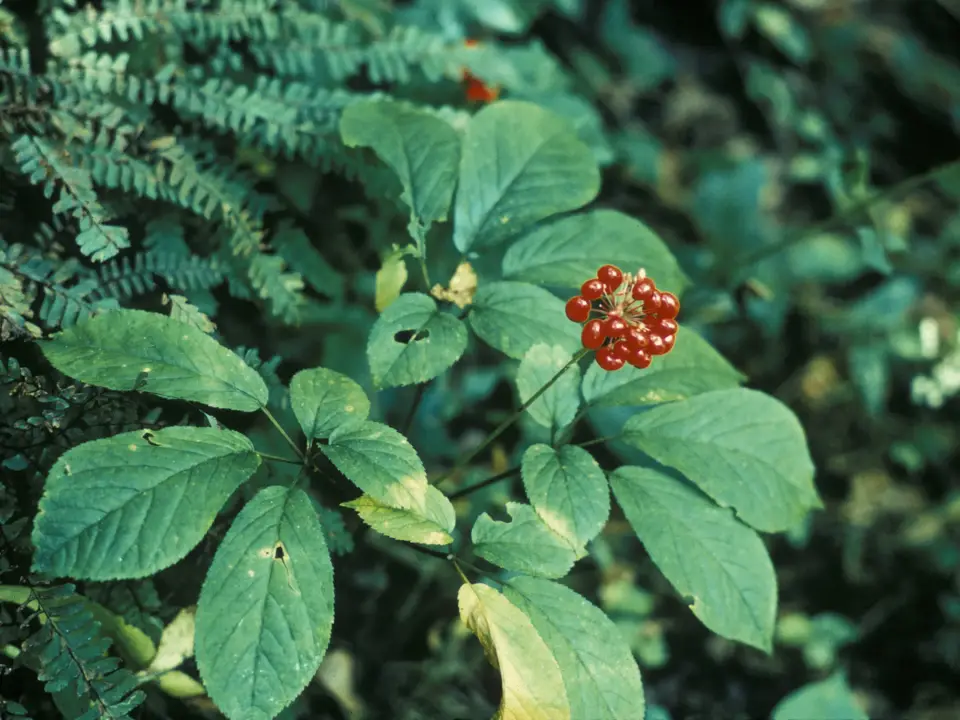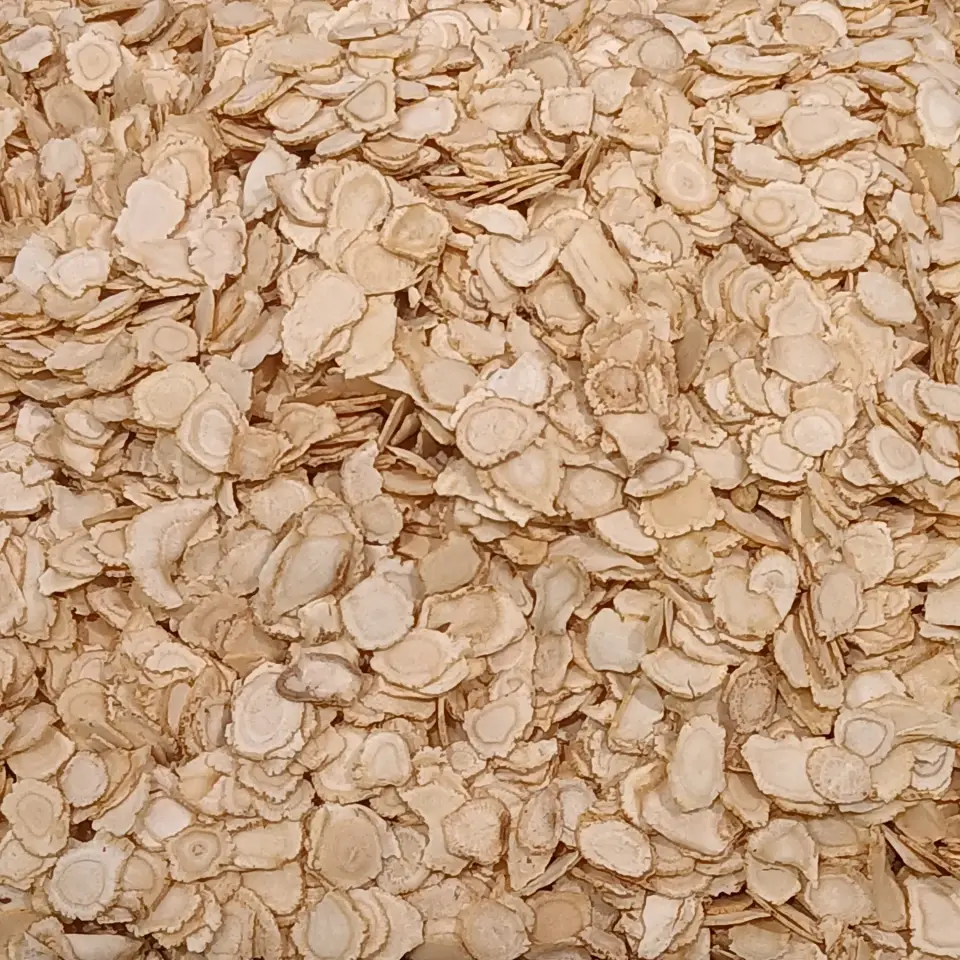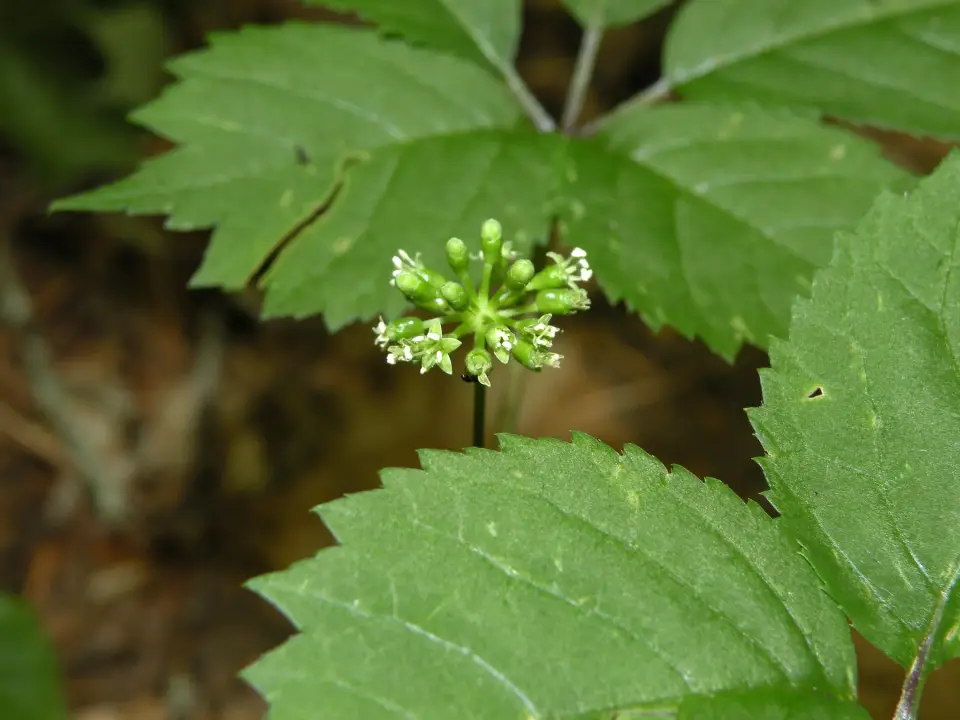
American ginseng is the ginseng people take for a clear, quiet head. Three placebo controlled trials of one standardised extract found better working memory within one to six hours of a single 100 to 400 mg dose, in young adults and in adults aged 40 to 60, and a fourth trial found the same over four weeks in people with schizophrenia on a different extract. Blood sugar did not change in any of them, so the memory gain stands on its own. In trials that are small and mostly from one research group, the same extract kept improving working memory from the first hour through two weeks of daily use.
What Working Memory Means
Working memory is the mental scratchpad. It is what holds a phone number while you dial it, keeps the first half of a sentence in mind while you read the second, and tracks where you are in a sum. The trials below measured it with tasks like repeating a sequence of blocks in order, so an improvement means people held and used a little more information at once.
It Improves Working Memory Within Hours
A 2010 crossover trial of 32 healthy young adults tested single doses of 100, 200 and 400 mg of Cereboost, an American ginseng extract standardised to 10.65 percent ginsenosides, against placebo (Scholey 2010). All three doses improved performance on the block sequence task at one, three and six hours. The 100 mg dose also improved accuracy on a quick choice task and raised self rated calmness. Blood sugar held steady, and the memory gain stood on its own.
A 2015 crossover trial of 52 healthy adults aged 40 to 60 repeated the design with a single 200 mg dose (Ossoukhova 2015). Working memory improved at the three hour mark, driven by the spatial task, with mood and blood sugar holding steady. The authors took this as confirmation that the effect reaches middle age, and that three hour gain is the strength of a single 200 mg dose.
Two Weeks of Daily Use Made It Stronger
A 2022 trial of 61 healthy young adults looked at a single dose, then two weeks of daily use, then a single dose on top of the two weeks (Bell 2022). The extract improved working memory and attention in the hours after a dose, and the effect was larger after two weeks of daily use than after the first dose alone. Daily use also improved an attention task that depends on acetylcholine, a brain messenger tied to attention, and people reported less mental fatigue and more self assurance. That larger gain after two weeks is the strength of staying with the extract.
The Front of the Brain Engaged Faster
A 2020 crossover study in adults aged 40 to 60 recorded brain activity while people did a spatial working memory task six hours after 200 mg of the extract or placebo (White 2020). Where task scores did not differ in this study, the signal from the prefrontal cortex, the front of the brain that manages attention, arrived sooner on the ginseng day during memory recall. The extract recruited the front of the brain during working memory.
It Helped Working Memory in Schizophrenia
People with schizophrenia often have marked working memory deficits. Where this is one trial in one patient group, a 2012 study gave 64 stable outpatients a different standardised extract, HT1001, or placebo for 4 weeks, and visual working memory improved in the ginseng group (Chen 2012). Movement side effects from antipsychotic medicines, called extrapyramidal symptoms, also eased on the extract. That memory gain points the same way as the healthy adult studies.
It Leaves You Calm
This is why people call American ginseng the calm species. In the 2010 trial, the 100 mg dose raised calmness alongside the memory gain. In the 2022 trial, two weeks of daily use eased mental fatigue and lifted self assurance. Where the 2015 trial in middle aged adults found no mood change, the 100 mg calmness rating and the two week drop in mental fatigue still stand. A 2026 review of the human trials summed up the pattern as better attention and working memory at 100 to 400 mg, with effects consistent with acetylcholine signalling (Bell 2026). That calm, clearer head is the pattern the review describes.
How Much, and Why Milligrams Here and Grams Elsewhere
The focus trials used 100 to 400 mg a day of an extract standardised to about 10 percent ginsenosides, so a 200 mg capsule carries about 20 mg of ginsenosides. The blood sugar trials used 1 to 3 grams of ground whole root, ten times the weight, because root is far less concentrated. Where a product lists only grams of root, the focus trials used the extract, and a label near 10 percent ginsenosides is the one you can match to the capsule that sharpened working memory. See American ginseng dosage and how to choose American ginseng.
A Children's Attention Pilot Included the Extract
You may see American ginseng sold for attention in children. Where a 2001 open pilot had no placebo group and paired the root with ginkgo, 36 children aged 3 to 17 with ADHD took 200 mg of American ginseng extract with 50 mg of ginkgo twice a day for 4 weeks, and parents rated improvement in most children (Lyon 2001). Those parent ratings are the attention signal that pilot recorded.
What Users Report
Many users describe American ginseng as a steady, clear head for a work session. Students often report taking it before an exam or a long study block, and some say the benefit is more noticeable after a week or two of daily use than on the first day, which matches the 2022 trial. These reports line up with that trial, and they describe the same clear head the extract produced in the lab.
Our tolerability guide has the full record, and the extract was tolerated like placebo, with blood sugar steady at every dose.
At 100 to 400 mg, the standardised extract sharpened working memory within hours and, at 100 mg, raised calmness.
References
- Scholey A et al. 2010. Effects of American ginseng (Panax quinquefolius) on neurocognitive function: an acute, randomised, double-blind, placebo-controlled, crossover study. Psychopharmacology (Berl).
- Ossoukhova A et al. 2015. Improved working memory performance following administration of a single dose of American ginseng (Panax quinquefolius L.) to healthy middle-age adults. Hum Psychopharmacol.
- Bell L et al. 2022. A randomized, placebo-controlled trial investigating the acute and chronic benefits of American Ginseng (Cereboost) on mood and cognition in healthy young adults. Eur J Nutr.
- White DJ et al. 2020. Effects of Panax quinquefolius (American ginseng) on the steady state visually evoked potential during cognitive performance. Hum Psychopharmacol.
- Chen EY et al. 2012. HT1001, a proprietary North American ginseng extract, improves working memory in schizophrenia: a double-blind, placebo-controlled study. Phytother Res.
- Bell L et al. 2026. Effects of American ginseng (Panax quinquefolius) extract on human neurocognitive function: a review. Nutr Neurosci.
- Lyon MR et al. 2001. Effect of the herbal extract combination Panax quinquefolium and Ginkgo biloba on attention-deficit hyperactivity disorder: a pilot study. J Psychiatry Neurosci.
Nothing here is medical advice. If you take prescription medication, talk with your doctor before adding American ginseng.