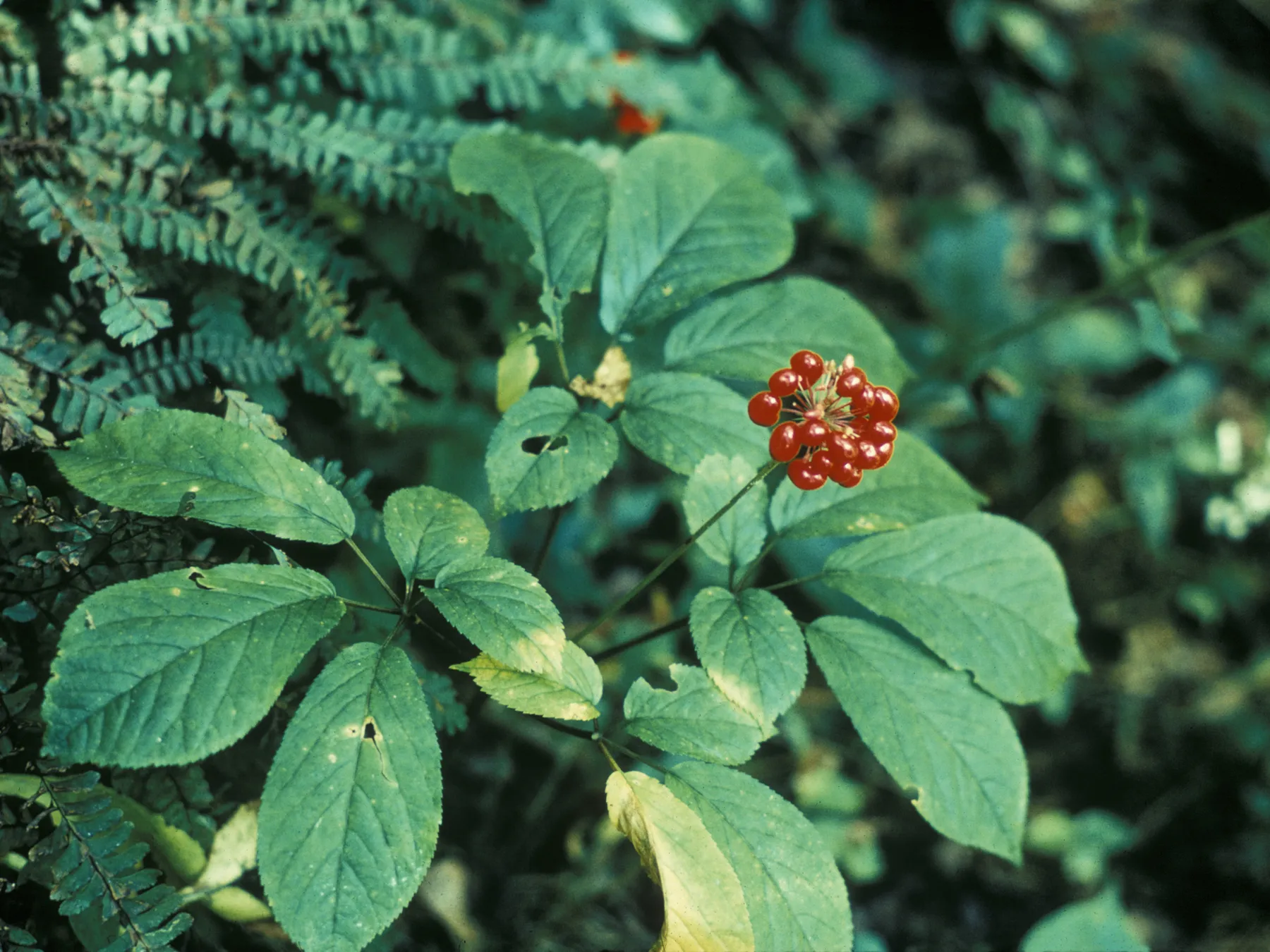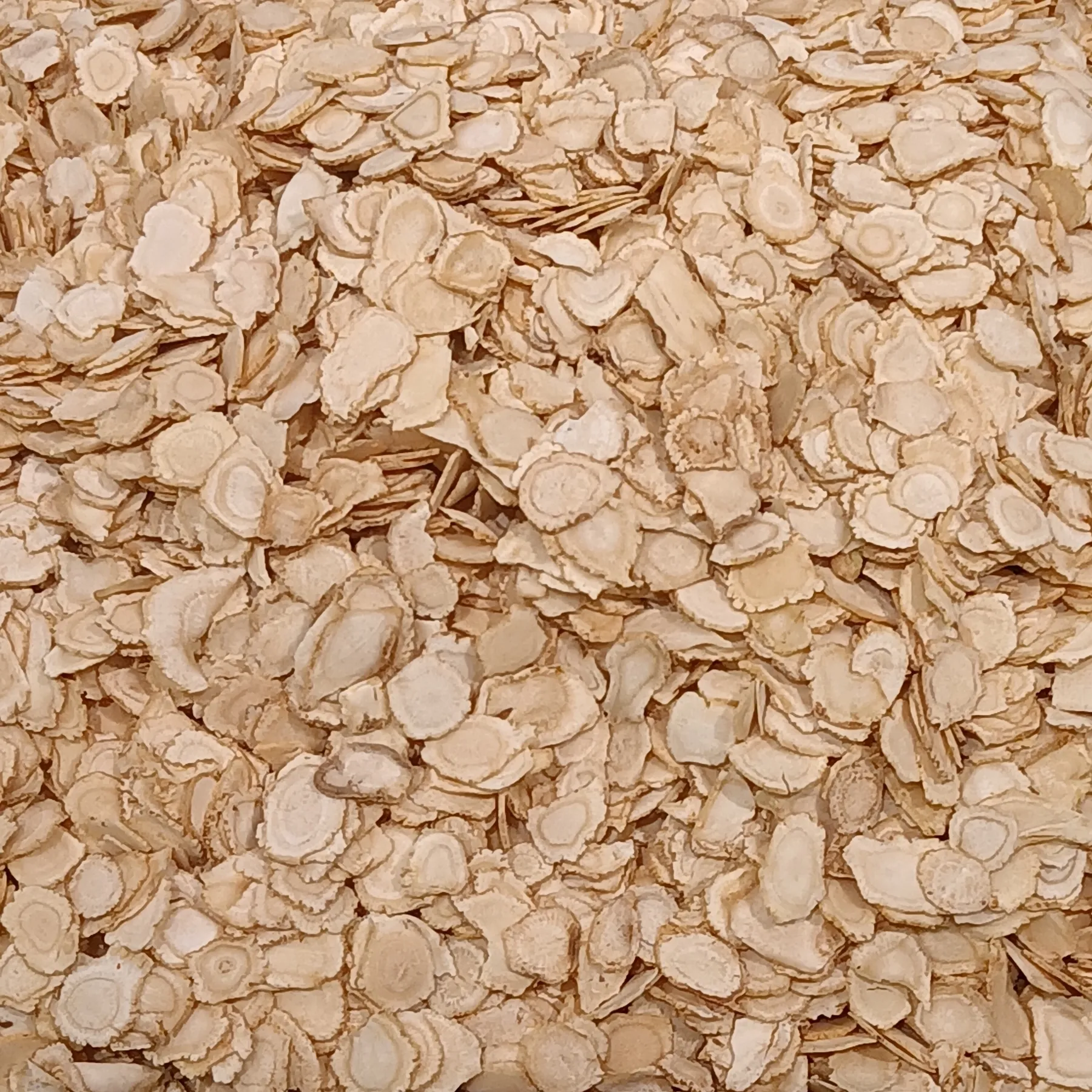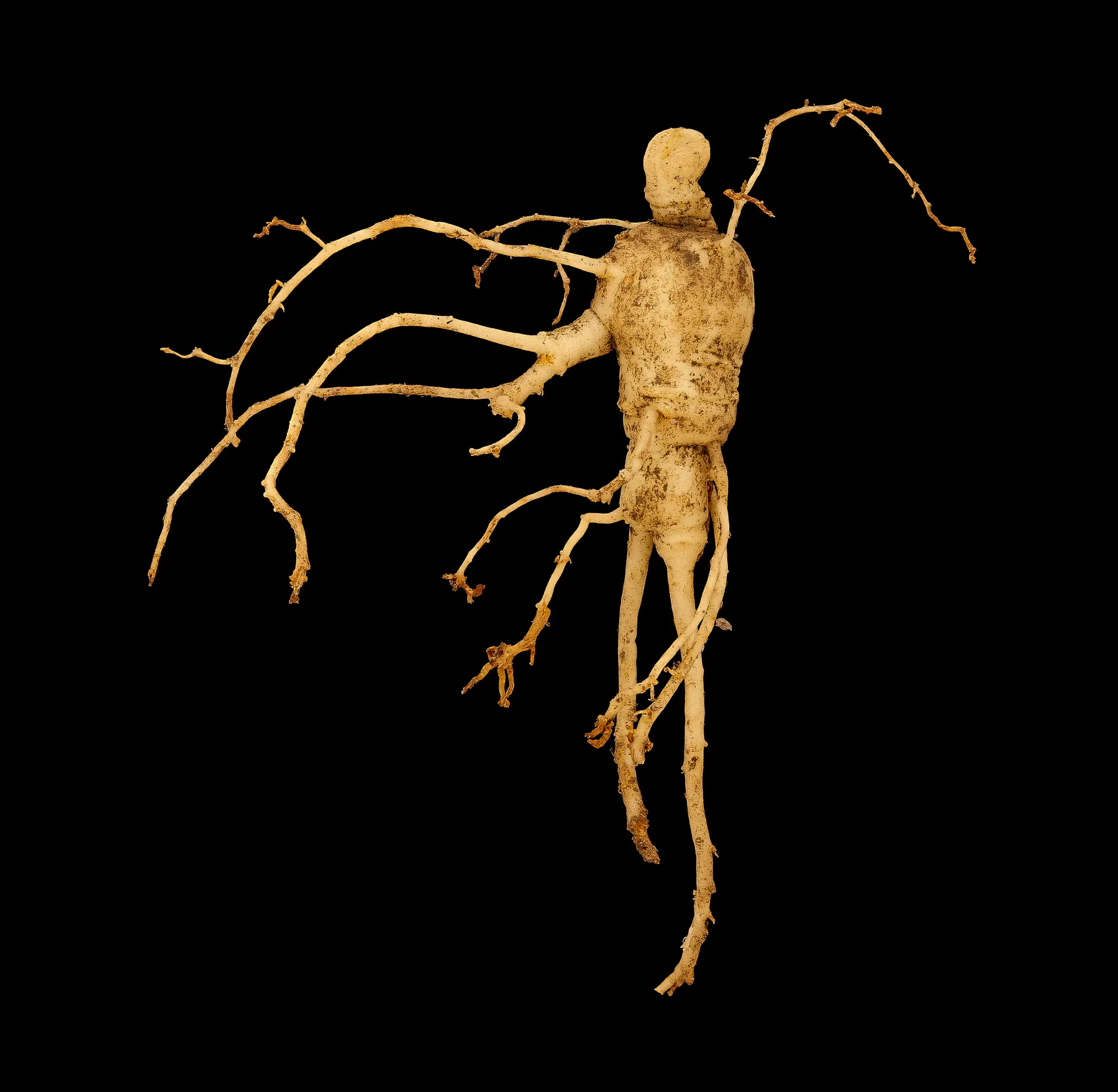
American ginseng is the species behind the biggest ginseng fatigue trial on record. A 2013 trial of 364 cancer survivors found that 2,000 mg a day of Wisconsin ginseng eased tiredness more than a placebo over eight weeks, with no extra side effects. The energy it gives is the steady kind: a difference that builds over weeks of daily use, and that course is what the cancer centres measured.
It Eases Tiredness During Cancer Treatment
The 2013 trial, run at 40 cancer centres, gave fatigued cancer survivors 2,000 mg of Wisconsin ginseng or a placebo every day for 8 weeks. Where the 4 week gap, 14.4 points on ginseng against 8.2 on placebo, had not yet reached statistical significance, the 8 week gap was clear: 20 points of improvement on ginseng against 10.3 on placebo (Barton 2013). People still in active treatment gained the most. Side effects, measured both by self report and by the standard cancer toxicity scale, matched placebo, and that 20 point gain is the strength of the eight week course.
That trial grew out of a 2010 dose finding trial of 290 people with cancer, who took 750, 1,000 or 2,000 mg a day, split into two doses, for 8 weeks. The two higher doses showed trends toward less tiredness and more vitality. Where those trends did not reach significance on their own, more than twice as many people on ginseng said they felt a benefit compared with placebo (Barton 2010), and the larger 2013 trial then confirmed the fatigue gain.
The guidelines have caught up. A 2024 update of the American Society of Clinical Oncology guideline on cancer related fatigue, drawn from 113 randomised trials, lists American ginseng among the options that may be recommended for adults during cancer treatment, alongside tai chi and qigong (Bower 2024). That listing is the guideline strength of the Wisconsin root.
Two Reviews Find a Fatigue Benefit with Good Tolerability
A 2018 systematic review of 10 studies of American and Asian ginseng for fatigue found a benefit and a low risk of side effects, and it called ginseng a treatment for fatigue in people with chronic illness (Arring 2018). Where the reviewers asked for larger and more diverse trials, the benefit and the low risk of side effects are what the 10 studies showed.
A 2021 review of seven trials in people with cancer related fatigue, across three ginseng species, found that American ginseng containing more than 5 percent ginsenosides, at 2,000 mg a day for up to eight weeks, significantly reduced fatigue. All three species were well tolerated with few mild side effects. Where the reviewers said more high quality trials would widen the case for a standard treatment, that 2,000 mg course still significantly reduced fatigue, and the root was well tolerated (Sadeghian 2021).
The 2,000 Mg Dose During Treatment Is Where Fatigue Eased
Where a 2020 trial of 32 head and neck cancer survivors, all at least one year past treatment, gave 1,000 mg a day for 8 weeks and found no difference from placebo (Guglielmo 2020), the 2013 trial found the biggest gains during treatment at 2,000 mg. Where a 2011 crossover trial of 56 people with multiple sclerosis tested 100, 200 and 400 mg a day over 6 weeks and found no change in fatigue (Kim 2011), those doses sit well below the cancer trial dose, and American ginseng eased tiredness at 2,000 mg a day during cancer treatment, with a 20 point gain by 8 weeks.
Everyday Energy Draws on the Cancer Fatigue Result
Where healthy people who are simply tired have not had their own fatigue trial, the closest evidence is a 2022 trial of 61 healthy young adults in which two weeks of a standardised extract improved a mood rating of mental fatigue alongside gains in working memory (Bell 2022). Where a 2026 review notes that the fatigue evidence centers on cancer patients, it reports benefits at 2,000 mg and better attention and working memory at 100 to 400 mg (Bell 2026). People who take the root for everyday energy are drawing on that cancer result, the mental fatigue rating, and a long habit of using the root for a steadier day.
It Is Steady Energy That Builds Over Weeks
Where American ginseng contains no caffeine, the cancer trials showed a trend at 4 weeks and a clear difference at 8 weeks, a gradual change over weeks of daily use. The memory trials found same day effects at 100 to 400 mg of extract, and those effects on memory tasks are covered in American ginseng for focus. The working dose for fatigue is 1,000 to 2,000 mg a day of root, split into two doses, taken for at least 8 weeks, and that course is what eased the tiredness score. See American ginseng dosage for how that compares with the doses used for other goals.
What Users Report
People who take American ginseng for energy most often describe a steadier day: less of an afternoon slump, easier starts in the morning, and a calmer kind of alertness. Many say they noticed the change by the third or fourth week. Some pair a smaller dose with their usual morning coffee and report the combination feels smooth through the day. These are reports from daily use, and they describe the same gradual steadiness the 8 week cancer trial measured.
Safety Notes
In the 2013 trial, side effects on 2,000 mg a day for 8 weeks matched placebo, and the 2011 multiple sclerosis trial reported no serious adverse events (Barton 2013, Kim 2011). Where you take warfarin or diabetes medicines, talk with your doctor, and where you are in cancer treatment, tell your oncology team before you start. The root was tolerated like placebo for the length of those courses. The full picture is in American ginseng side effects.
For the wider research on this species, see American ginseng benefits, and for how the calm American root differs from Korean ginseng, see American vs Korean ginseng. At 2,000 mg a day for 8 weeks, Wisconsin ginseng eased tiredness in cancer survivors, with the clearest gain during treatment.
References
- Barton DL et al. 2013. Wisconsin Ginseng (Panax quinquefolius) to improve cancer-related fatigue: a randomized, double-blind trial, N07C2. J Natl Cancer Inst.
- Barton DL et al. 2010. Pilot study of Panax quinquefolius (American ginseng) to improve cancer-related fatigue: a randomized, double-blind, dose-finding evaluation: NCCTG trial N03CA. Support Care Cancer.
- Bower JE et al. 2024. Management of Fatigue in Adult Survivors of Cancer: ASCO-Society for Integrative Oncology Guideline Update. J Clin Oncol.
- Arring NM et al. 2018. Ginseng as a Treatment for Fatigue: A Systematic Review. J Altern Complement Med.
- Sadeghian M et al. 2021. Ginseng and Cancer-Related Fatigue: A Systematic Review of Clinical Trials. Nutr Cancer.
- Guglielmo M et al. 2020. A randomized, double-blind, placebo controlled, phase II study to evaluate the efficacy of ginseng in reducing fatigue in patients treated for head and neck cancer. J Cancer Res Clin Oncol.
- Kim E et al. 2011. American ginseng does not improve fatigue in multiple sclerosis: a single center randomized double-blind placebo-controlled crossover pilot study. Mult Scler.
- Bell L et al. 2022. A randomized, placebo-controlled trial investigating the acute and chronic benefits of American Ginseng (Cereboost) on mood and cognition in healthy young adults. Eur J Nutr.
- Bell L et al. 2026. Effects of American ginseng (Panax quinquefolius) extract on human neurocognitive function: a review. Nutr Neurosci.
Nothing here is medical advice. If you take prescription medication, talk with your doctor before adding American ginseng.