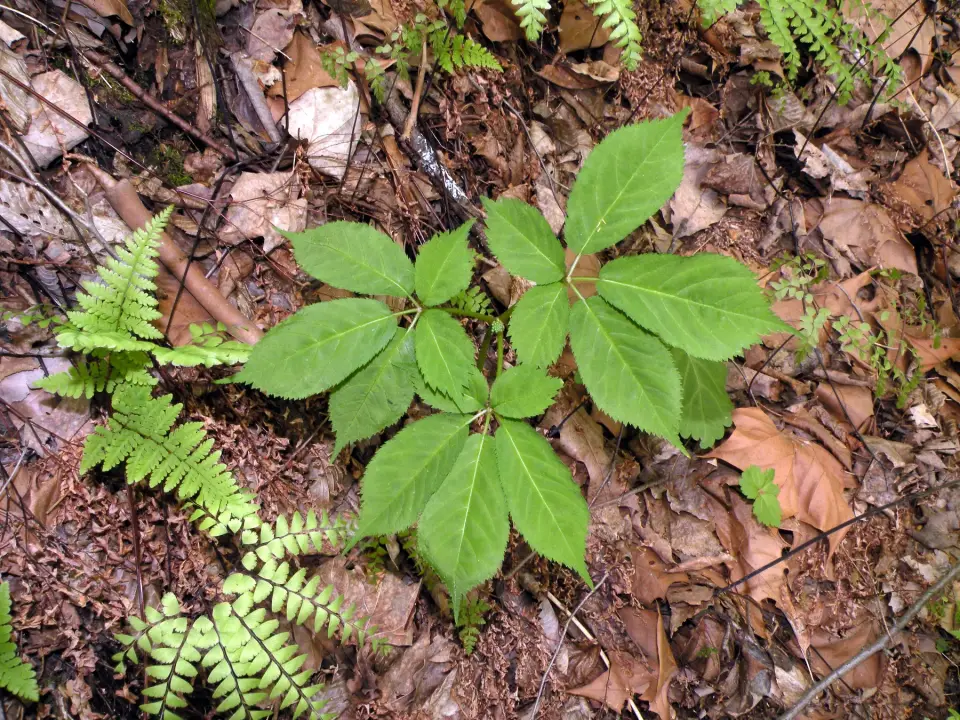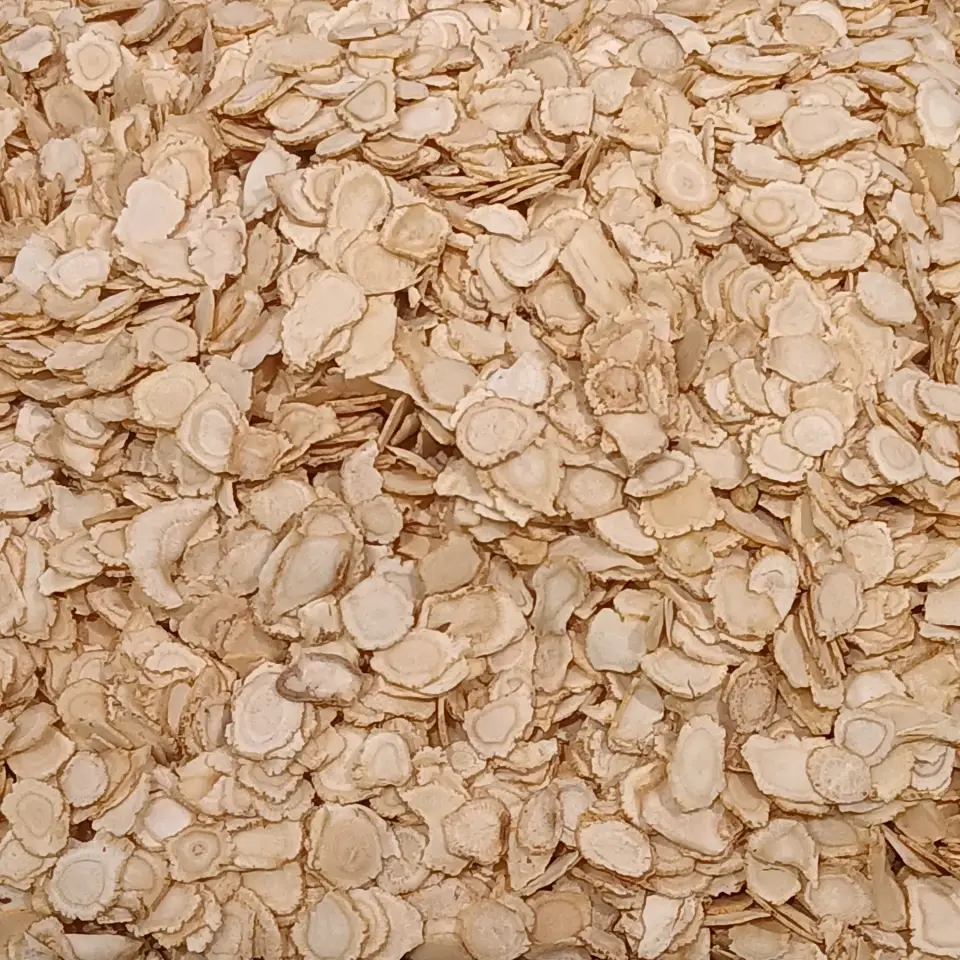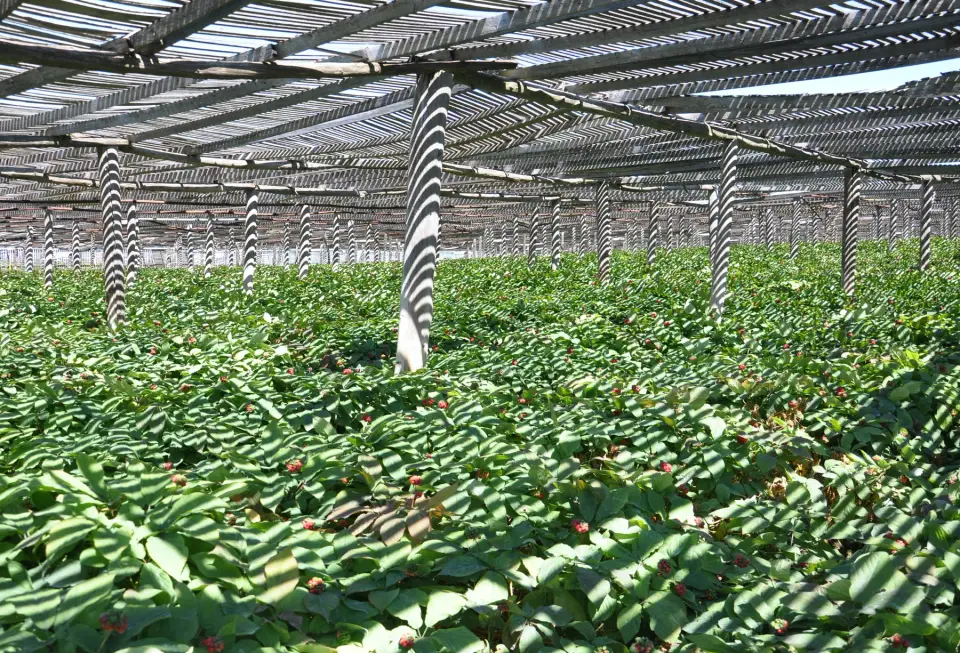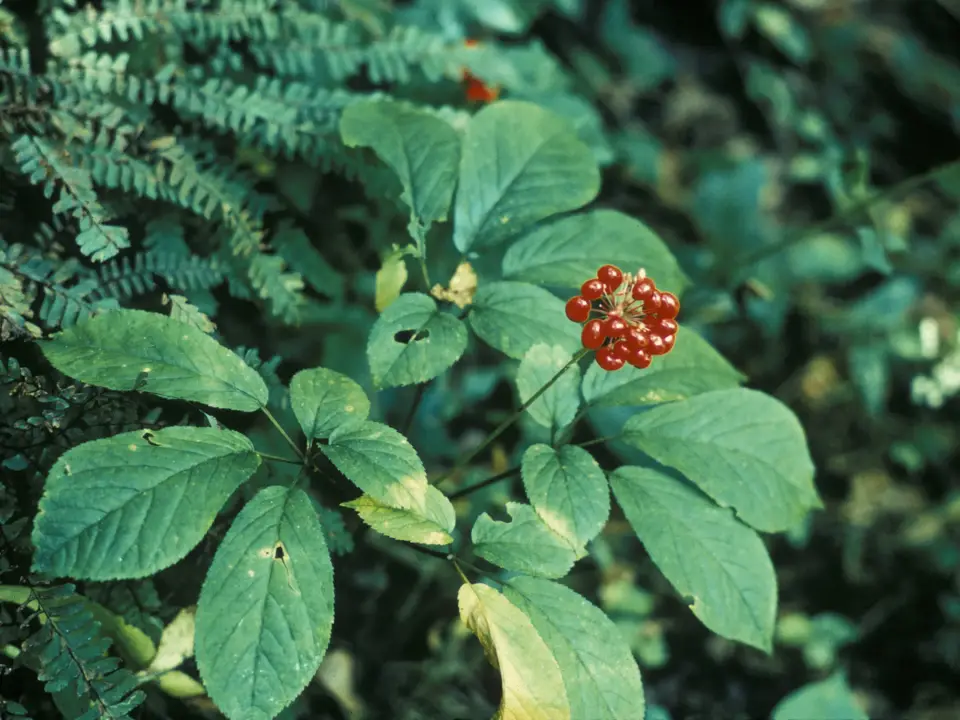
American ginseng contains a unique blend of active compounds called ginsenosides that support a steady state of energy. The specific mix of these molecules allows the root to provide a calm, focused strength.
Ginsenosides Are the Active Power of the Root
The most abundant ginsenosides in American ginseng include Rb1, Re, and Rd. These specific compounds are found in higher proportions here than in other species, which creates a distinct pharmacological strength. This unique chemical makeup is why the root is prized for its steady, non-stimulating energy.
The root is often standardized to a specific percentage of these ginsenosides to ensure a consistent benefit. For example, extracts standardized to 10% ginsenosides have been used to maintain safety in people with type 2 diabetes (Mucalo 2014). This precision ensures you receive the full strength of the root.
The American Mix Favors a Calm Focus
American ginseng is characterized by a high ratio of protopanaxadiol (PPD) type ginsenosides. This PPD-heavy profile is a primary reason the root provides a calming effect rather than a jittery one. It is this specific balance that supports a state of relaxed alertness.
A 2010 study of 32 healthy young adults found that a standardized extract of American ginseng significantly improved working memory (Scholey 2010). The researchers noted that these cognitive effects are distinct from those of Asian ginseng because of the different ginsenoside profiles (Scholey 2010). This makes the root a superior choice for those seeking focus and working memory.
The calm energy of the root extends to middle-aged adults. A 2015 trial of 52 volunteers aged 40 to 60 found that 200 mg of a ginsenoside-rich extract improved cognitive performance on the working memory factor at 3 hours (Ossoukhova 2015). This result confirms that the ginsenoside mix supports mental clarity across different adult age groups.
Specific Compounds Support Blood Sugar
The ginsenoside profile of American ginseng is uniquely suited for glycemic management. The high ratio of PPD-type ginsenosides is inversely correlated with how well the root lowers postprandial glucose. This chemical advantage makes it a powerful tool for blood sugar support.
A 2000 study of 10 nondiabetic individuals found that 3, 6, or 9 g of ground root taken before a glucose challenge reduced postprandial incremental glucose (Vuksan 2000). All three doses reduced the area under the incremental glucose curve by 26.6% to 38.5% (Vuksan 2000).
The root remains effective and safe for those already managing glucose levels. A 2014 study of 74 participants with type 2 diabetes found that 3 g per day of an extract with 10% ginsenosides was well tolerated over 12 weeks (Mucalo 2014). There was no change in kidney or liver function, confirming the root's long-term safety.
The Root Protects the Body from Stress
Ginsenosides act as a shield against oxidative stress and cellular damage. This protective quality is why the root is used to maintain winter immunity and physical resilience. The compounds help the body adapt to stress without causing an overstimulation of the system.
A 2008 study of 10 healthy volunteers found that a ginsenoside-enriched extract reduced oxidative stress biomarkers (Lee 2008). Specifically, the F2-isoprostane ratio was reduced to 0.79, which shows the root's ability to neutralize free radicals (Lee 2008).
The root also supports the body after intense physical exertion. A 2021 trial of 12 active males found that 1.6 g per day of American ginseng extract eliminated increases in plasma creatine kinase at 48 and 72 hours after downhill running (Lin 2021). This reduction in muscle damage markers shows how ginsenosides promote inflammatory adaptation.
Natural Metabolism Enhances the Benefits
When you take American ginseng, your gut bacteria transform the ginsenosides into even more active metabolites. This natural process increases the bioavailability of the root's strengths. It turns the root into a delivery system for potent, health-promoting molecules.
A clinical trial of 6 healthy subjects found that the ginsenoside Rb1 is transformed by intestinal microbiota into Compound K (Wang 2011). The study detected Compound K in human plasma starting at 7 hours and peaking toward 12 hours (Wang 2011). This delayed release provides a sustained benefit throughout the day.
This metabolic process ensures that the root's effects are gradual and steady. Many users report a smooth transition into a state of focus without the crash associated with stimulants. This steady delivery is a direct result of how the ginsenoside mix interacts with human biology.
The Root Supports a Resilient Immune System
The ginsenoside mix in American ginseng modulates the immune response to keep it balanced. This is particularly useful during the winter months when the body needs steady support to ward off illness. It helps the immune system remain vigilant without becoming overactive.
A study of 10 healthy sedentary men found that daily consumption of a standardized extract for 35 days increased the production of interleukin-2 by T cells (Biondo 2008). This specific immune modulation helps the body respond more effectively to stress (Biondo 2008). This makes the root a reliable choice for colds.
The root's protective power extends to the very DNA of your cells. A study of 40 healthy individuals found that a standardized extract reduced micronuclei yield in lymphocytes by 50.7% after 1 Gy of radiation (Lee 2010). This radioprotective effect is mediated by the scavenging of free radicals and the enhancement of total antioxidant capacity (Lee 2010).
A Legacy of Steady, Reliable Strength
The record of American ginseng is a testament to the power of its specific ginsenoside profile. For centuries, it has been used as a tonic to restore balance and vitality. This long history of use provides a foundation of trust in its steady, calming effects.
The root is highly tolerable and fits easily into a modern wellness routine. A study of 16 hypertensive individuals found that 3 g of powdered root had a neutral acute effect on blood pressure (Stavro 2005). This stability allows you to enjoy the cognitive and metabolic benefits without worrying about sudden spikes in pressure.
The unique mix of ginsenosides ensures that American ginseng remains the premier choice for those who value calm focus over raw stimulation. From improving working memory in middle-aged adults (Ossoukhova 2015) to reducing muscle damage after exercise (Lin 2021), the root provides a comprehensive suite of benefits. This chemical uniqueness is why the root continues to be a cornerstone of natural health.
References
- Lin CH et al. 2021. American Ginseng Attenuates Eccentric Exercise-Induced Muscle Damage via the Modulation of Lipid Peroxidation and Inflammatory Adaptation in Males. Nutrients.
- Ossoukhova A et al. 2015. Improved working memory performance following administration of a single dose of American ginseng (Panax quinquefolius L.) to healthy middle-age adults. Hum Psychopharmacol.
- Mucalo I et al. 2014. American Ginseng Extract (Panax quinquefolius L.) Is Safe in Long-Term Use in Type 2 Diabetic Patients. Evid Based Complement Alternat Med.
- Scholey A et al. 2010. Effects of American ginseng (Panax quinquefolius) on neurocognitive function: an acute, randomised, double-blind, placebo-controlled, crossover study. Psychopharmacology (Berl).
- Biondo PD et al. 2008. A randomized controlled crossover trial of the effect of ginseng consumption on the immune response to moderate exercise in healthy sedentary men. Appl Physiol Nutr Metab.
- Stavro PM et al. 2005. North American ginseng exerts a neutral effect on blood pressure in individuals with hypertension. Hypertension.
- Vuksan V et al. 2000. American ginseng improves glycemia in individuals with normal glucose tolerance: effect of dose and time escalation. J Am Coll Nutr.
- Wang CZ et al. 2011. Ultra-performance liquid chromatography and time-of-flight mass spectrometry analysis of ginsenoside metabolites in human plasma. Am J Chin Med.
- Lee TK et al. 2010. Radioprotective effect of American ginseng on human lymphocytes at 90 minutes postirradiation: a study of 40 cases. J Altern Complement Med.
- Lee LS et al. 2008. Possible differential induction of phase 2 enzyme and antioxidant pathways by american ginseng, Panax quinquefolius. J Clin Pharmacol.
Nothing here is medical advice, and anyone on prescription medication can mention American ginseng to a doctor while enjoying a root people have trusted for centuries.