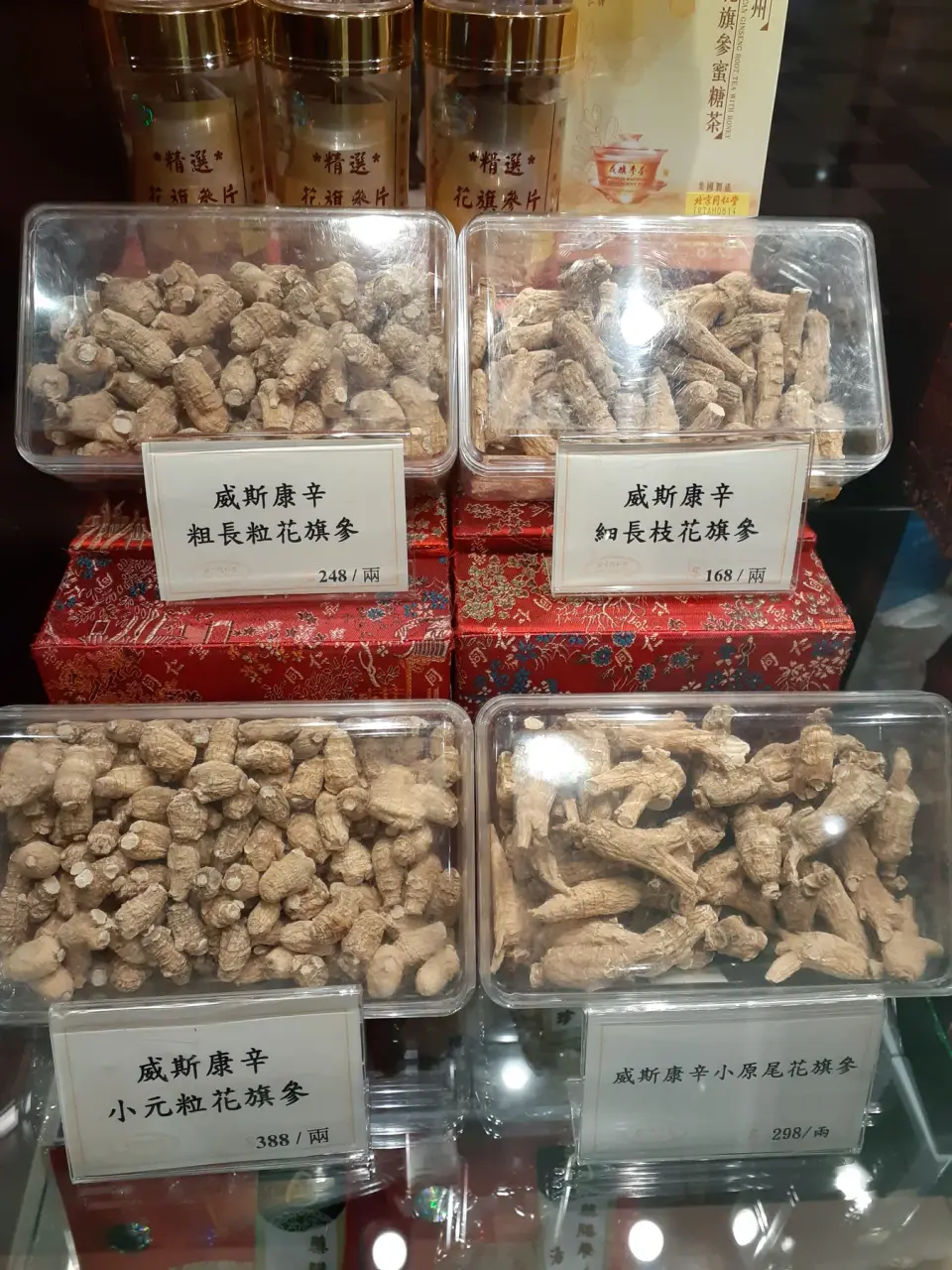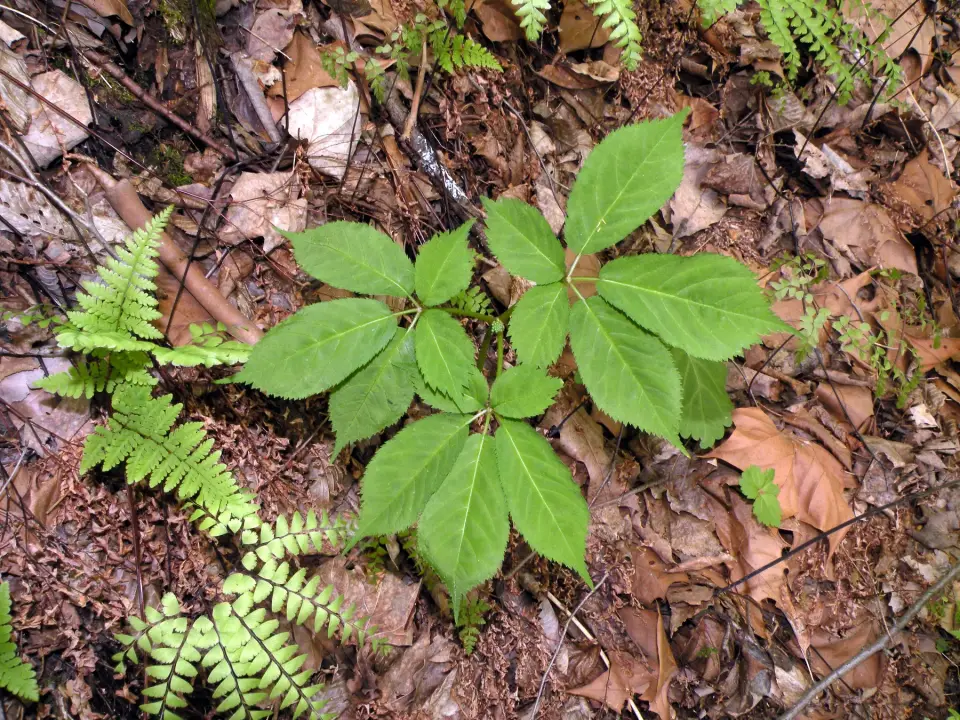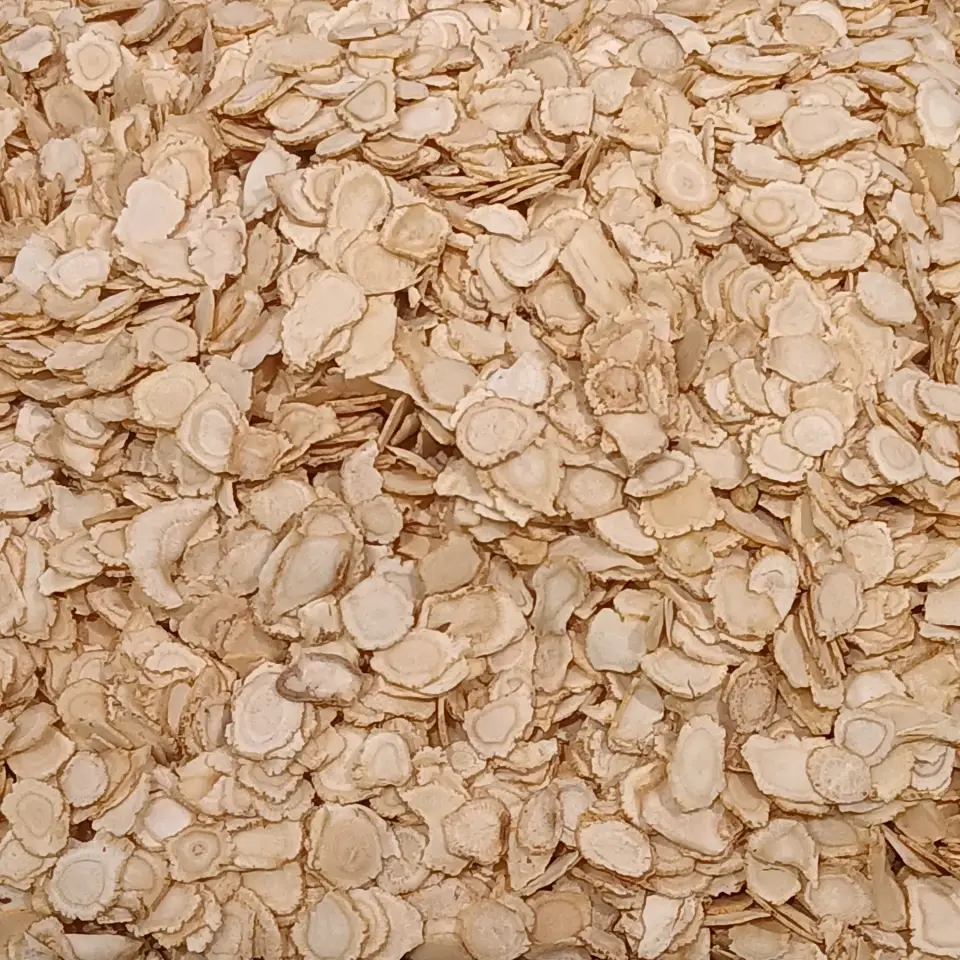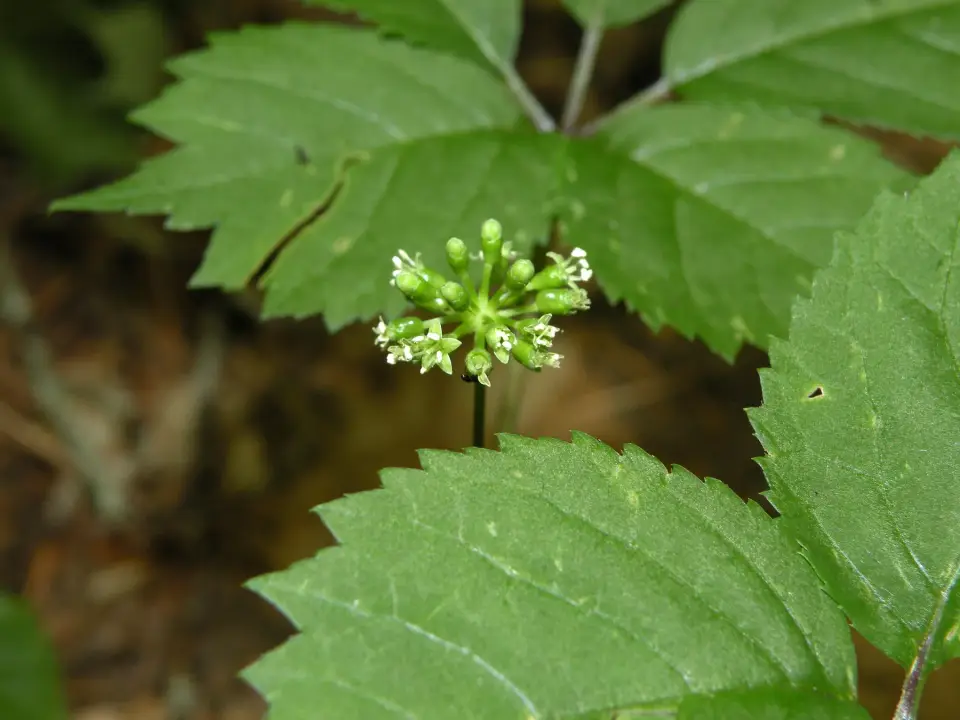
American ginseng provides a steady path to mental clarity and physical resilience. Users value this root for its ability to support a calm focus and enduring energy. This strength comes from a long record of traditional use and modern clinical evidence.
It Helps You Feel More Focused
Many users report a sharper mind and better concentration. A 2010 study of 32 healthy young adults found that doses of 100, 200, and 400 mg of Cereboost extract improved Corsi block performance at all testing times (Scholey 2010). This result supports the use of the root for working memory.
The root supports a sense of composure during mental tasks. The same 2010 study of 32 people found that a 100 mg dose significantly improved calmness (Scholey 2010). This steady effect allows for a focused approach to a busy day.
Cognitive support extends to those with specific challenges. A 4-week study of 64 individuals with schizophrenia found that HT1001 extract significantly improved visual working memory (Chen 2012). This demonstrates the root's strength in supporting cognitive function.
The root provides a reliable way to sharpen mental performance. A 2010 study of 32 healthy young adults found that all doses of Cereboost extract improved working memory performance (Scholey 2010). This effect was maintained across the testing day. The root's specific ginsenoside profile supports this steady state of alertness.
It Reduces Mental and Physical Fatigue
People often report a lift in energy without the jitters of stimulants. A 2021 review found that 2,000 mg of American ginseng once daily improves symptoms of cancer-related fatigue (Lemke 2021). This high-dose application targets deep exhaustion.
The root helps the body recover from physical stress. This benefit is recognized by medical guidelines for adults undergoing cancer treatment (Bower 2024).
Steady energy is a hallmark of this species. While some conditions like multiple sclerosis may not show a significant change in fatigue (Kim 2011), the root remains well tolerated. This tolerability allows for long-term use to maintain vitality.
Clinical evidence supports the use of the root for those facing severe exhaustion. A systematic review of 113 randomized controlled trials found that American ginseng showed benefits for managing fatigue during cancer treatment (Bower 2024). This result provides a concrete option for restoring energy. The root has been used for centuries to combat this type of depletion.
It Supports a Healthy Immune Response
Winter immunity is a primary reason many choose this root. This makes it a valuable tool for winter immunity.
The root also helps the body handle the stress of activity. A 35-day study of 10 healthy men found that 1,125 mg per day increased mitogen-stimulated T cell production of interleukin-2 (Biondo 2008). This supports the immune system's ability to respond to stress.
Traditional use has long emphasized the root's role in resistance. Modern standards ensure the identity and quality of the root for these purposes (Hong Kong Chinese Materia Medica Standards). This consistency ensures the strength of the root.
The root helps the body maintain a balanced immune profile. A 35-day study of 10 healthy men found that 1,125 mg per day reduced the peripheral blood concentration of CD8+ T cells (Biondo 2008). This modulation supports a healthy response to physiological stress.
It Helps Maintain Steady Blood Sugar
Users often seek the root for its influence on glucose metabolism. A study of 84 patients with coronary heart disease and blood glucose abnormality found that combining panax quinquefolius saponin with Western medicine was superior in lowering fasting plasma glucose (Zhang 2007). This supports blood sugar management.
The root also supports the function of the pancreas. The same study of 84 people found that the Homa-beta value increased markedly in the group receiving the saponin (Zhang 2007). This indicates an improvement in beta-cell function.
Beyond glucose, the root supports cardiovascular health. The study of 84 patients also found a significant decrease in total cholesterol and LDL-C levels (Zhang 2007). This provides a comprehensive benefit for metabolic health.
The root supports a healthier lipid profile alongside glucose management. A study of 84 patients with coronary heart disease and blood glucose abnormality found that the group receiving panax quinquefolius saponin showed a significant decrease in TC levels compared to the control group (Zhang 2007). This result supports metabolic stability. The root has been used for centuries to support these internal balances.
It Protects the Body from Oxidative Stress
Many users value the root for its protective properties. A study of 40 healthy individuals found that a standardized extract reduced micronuclei yield and reactive oxygen species in lymphocytes (Lee 2010). This effect is linked to the scavenging of free radicals.
The root increases the body's internal defenses. The same study of 40 people found that the extract increased total antioxidant capacity in lymphocytes (Lee 2010). This strengthens the cellular environment.
This protective strength is a result of the unique ginsenoside profile. The root is recognized for its safety and studied benefits (Memorial Sloan Kettering About Herbs). This makes it a reliable choice for long-term health.
The root offers a natural way to protect cellular health. A study of 40 healthy individuals found that a standardized extract reduced micronuclei yield by 50.7 percent after 1 Gy and 35.9 percent after 2 Gy exposures (Lee 2010). This protects the integrity of human lymphocytes.
It Supports Physical Recovery and Endurance
Athletes and active adults report a reduction in muscle soreness. A 4-week study of 13 physically active men found that American ginseng significantly decreased the production of plasma creatine kinase during exhaustive exercise (Hsu 2005). This suggests a reduction in skeletal muscle cell membrane damage.
The root helps the body maintain stability during exertion. By reducing the leakage of CK, the root supports the integrity of muscle cells (Hsu 2005). This allows for a more efficient recovery after high-intensity work.
Users often combine this with other botanicals for synergy. A pilot study of 36 children with ADHD found that a combination of American ginseng and Ginkgo biloba improved the DSM-IV hyperactive-impulsive attribute in 74% of subjects (Lyon 2001). This shows the root's versatility in different formulas.
The root supports the body during intense physical exertion. A 4-week study of 13 physically active men found that American ginseng supplementation reduced the leakage of plasma creatine kinase during an exhaustive aerobic treadmill run (Hsu 2005). This effect helps protect skeletal muscle cell membranes.
It Enhances Emotional Well-being and Mood
A calm and positive outlook is a common thread among users. A 28-day study of 52 healthy middle-aged adults found that a supplement containing 100 mg of Panax quinquefolius reliably improved positive affect (Best 2024). This supports a better emotional state.
The root also supports brain activation. The same study of 52 adults showed greater prefrontal cortex activation during 2-back tasks (Best 2024). This links emotional improvement with cognitive performance.
These benefits contribute to a sense of overall stability. The root's ability to improve delayed recall and positive affect makes it a strength for adults aged 35 to 65 (Best 2024). This ensures a steady and focused quality of life.
References
- Bower JE et al. 2024. Management of Fatigue in Adult Survivors of Cancer: ASCO-Society for Integrative Oncology Guideline Update. J Clin Oncol.
- Best T et al. 2024. Neurocognitive effects a combined polyphenolic-rich herbal extract in healthy middle-aged adults, a randomised, double-blind, placebo-controlled study. Nutr Neurosci.
- Chen EY et al. 2012. HT1001, a proprietary North American ginseng extract, improves working memory in schizophrenia: a double-blind, placebo-controlled study. Phytother Res.
- Kim E et al. 2011. American ginseng does not improve fatigue in multiple sclerosis: a single center randomized double-blind placebo-controlled crossover pilot study. Mult Scler.
- Scholey A et al. 2010. Effects of American ginseng (Panax quinquefolius) on neurocognitive function: an acute, randomised, double-blind, placebo-controlled, crossover study. Psychopharmacology (Berl).
- Biondo PD et al. 2008. A randomized controlled crossover trial of the effect of ginseng consumption on the immune response to moderate exercise in healthy sedentary men. Appl Physiol Nutr Metab.
- Zhang Y et al. 2007. [Effect of panax quinquefolius saponin on insulin sensitivity in patients of coronary heart disease with blood glucose abnormality]. Zhongguo Zhong Xi Yi Jie He Za Zhi.
- Hsu CC et al. 2005. American ginseng supplementation attenuates creatine kinase level induced by submaximal exercise in human beings. World J Gastroenterol.
- Lee TK et al. 2010. Radioprotective effect of American ginseng on human lymphocytes at 90 minutes postirradiation: a study of 40 cases. J Altern Complement Med.
- Lyon MR et al. 2001. Effect of the herbal extract combination Panax quinquefolium and Ginkgo biloba on attention-deficit hyperactivity disorder: a pilot study. J Psychiatry Neurosci.
- Lemke EA 2021. Ginseng for the Management of Cancer-Related Fatigue: An Integrative Review. J Adv Pract Oncol.
- Memorial Sloan Kettering About Herbs. Ginseng (American), About Herbs.
- Hong Kong Chinese Materia Medica Standards. Hong Kong Chinese Materia Medica Standards, Volume 3: Radix Panacis Quinquefolii.
Nothing here is medical advice, and anyone on prescription medication can mention American ginseng to a doctor while enjoying a root people have trusted for centuries.