American ginseng is valued for its ability to provide calm focus and steady energy. The quality of the root depends on its age, shape, and how it was grown. Understanding these grades helps you choose a root with the highest concentration of active compounds for winter immunity.
Older Roots Contain More Active Compounds
The age of the root directly affects its potency. Research shows that root weight and the concentrations of ginsenosides Rb1, mRb1, and Re increase as the root ages. Roots harvested at four years contain higher amounts of ginsenosides than those harvested at three years.
Total ginsenoside content increases from about 3% in the first year to about 8% by the fourth year. Older roots are more prized because they concentrate these beneficial elements over time.
You can estimate the age of a root by looking at the rhizome. This section at the base of the stem has scars that are added each year. A higher number of scars indicates a more mature root with a long record of strength.
Man-like Shapes Offer Higher Quality
The physical shape of the root, known as the morphotype, influences its market value and chemical profile. Roots that look like a human, called man-like (ML) roots, are the most sought after. These roots often have a more complex structure with branches and wrinkles.
A study comparing root shapes found that man-like roots had a significantly higher total ginsenoside content of 2.19% compared to bulb or stick shapes. This higher concentration of active compounds makes the man-like shape a superior choice for those seeking maximum potency. The specific profile of these roots often shows a high level of the ginsenoside Re.
Other shapes, such as bulb (BLB) or stick (STK), have lower total ginsenoside levels. While these are still beneficial, the man-like root is the gold standard for quality. Choosing this shape ensures you receive the most potent form of the species.
Cultivation Methods Determine the Price
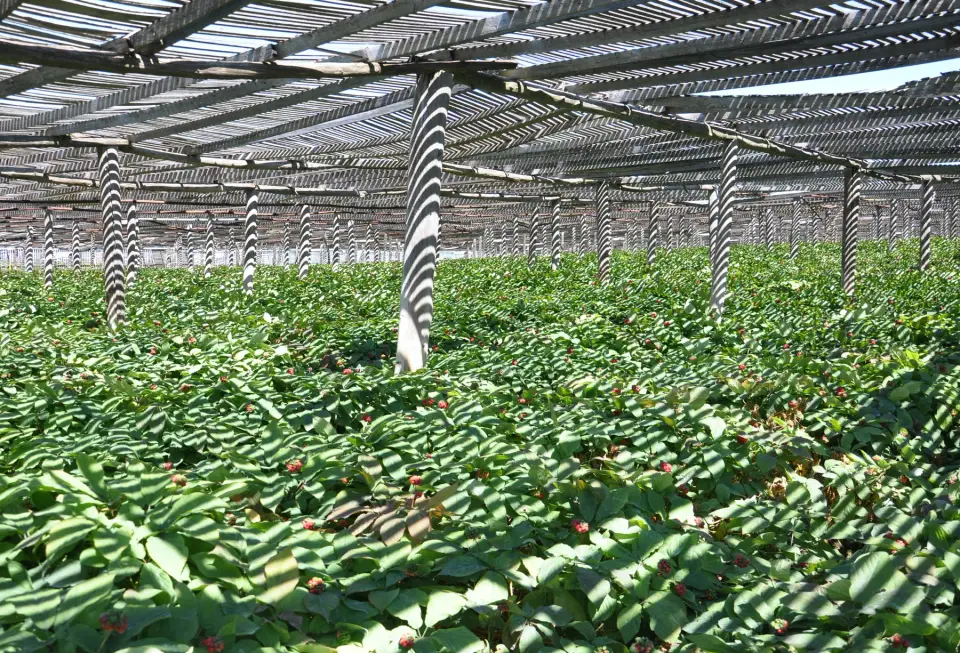
The way a root is grown changes its appearance and its cost. Field-grown ginseng is produced under shade cloth with fertilizers to speed up growth. These roots are large and smooth, and they are the most affordable option for daily use.
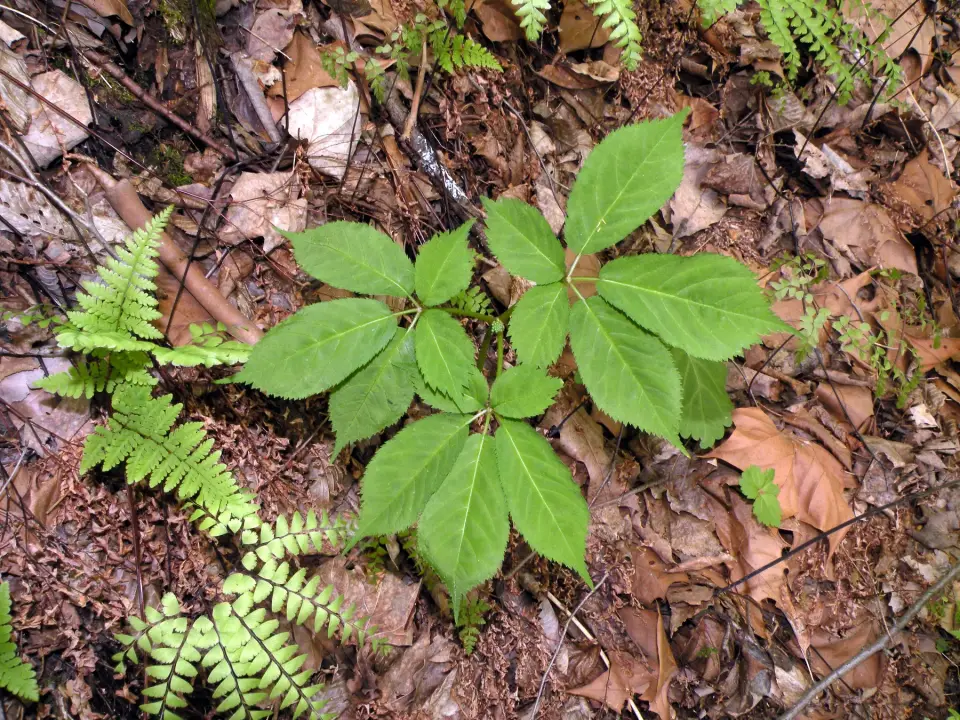
Woods-cultivated ginseng is grown in forest settings for five to six years. These roots look more like wild ginseng and command a higher price than field-grown roots. They offer a balance between the accessibility of cultivated roots and the characteristics of wild ones.
Wild-simulated ginseng is grown for ten years or more without fertilizers. These roots are nearly indistinguishable from wild roots and are the most expensive.
Proper Grading Ensures Consistent Potency
Standardized grading helps you find roots that provide reliable benefits. The Hong Kong Chinese Materia Medica Standards provide quality and identity standards for the root (Hong Kong Chinese Materia Medica Standards). These standards ensure the root is authentic and meets traditional use requirements.
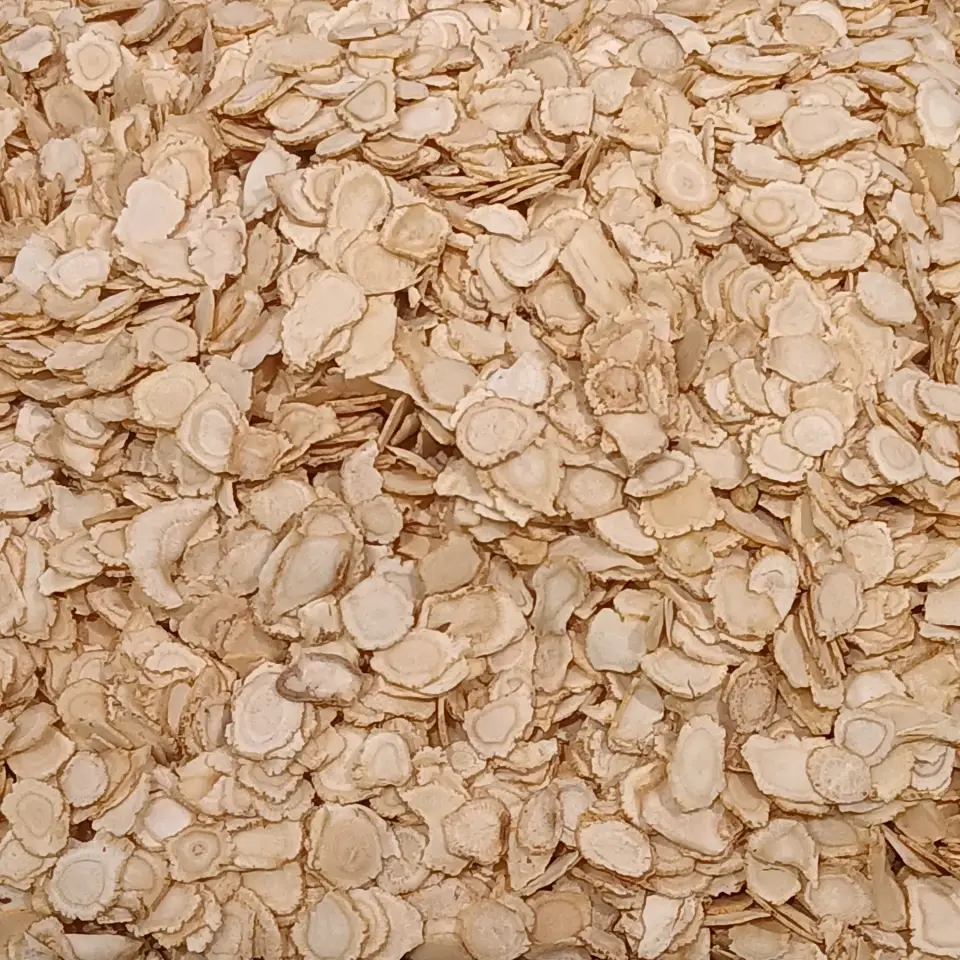
High-grade roots are firm after dehydration and free of flaws or diseases. A clean, well-preserved root maintains its ginsenosides, which are essential for blood sugar support. Using graded roots ensures you get a consistent dose of the active compounds.
Many users say that the appearance of the root is the first sign of its quality. A root with a thick neck and concentric rings is often a sign of a high-grade, old root. This visual quality correlates with the long-term strength of the species.
High-grade Roots Support Blood Sugar
The active ginsenosides found in high-quality roots are effective for glycemic management. A 2019 trial of 24 people with type 2 diabetes found that 3 g of American ginseng extract daily reduced HbA1c by 0.29% and fasting blood glucose by 0.71 mmol/L (Vuksan 2019). This result shows how the root helps maintain steady blood sugar.
Combining high-grade ginseng with other fibers can further improve these results. A 2018 study of 30 participants with type 2 diabetes found that 3 g of American ginseng combined with a konjac-based fiber blend lowered HbA1c by 0.31% (Jenkins 2018). This combination provides a meaningful reduction in glucose levels.
Even in healthy individuals, the root improves glucose tolerance. A 2001 study of 12 healthy people found that doses of 1, 2, or 3 g taken 40 minutes before a glucose challenge reduced postprandial glycemia (Vuksan 2001). For more details, see our guide on American ginseng for blood sugar.
Potent Roots Improve Mental Focus
The ginsenosides in mature roots provide acute benefits for the brain. A 2015 study of 52 healthy adults aged 40 to 60 found that 200 mg of a ginsenoside-rich extract improved working memory performance at 3 hours after administration (Ossoukhova 2015). This effect extends the cognitive benefits of the root to middle-aged adults.
This mental clarity is a result of the steady energy the root provides. Unlike stimulants, the root offers a calm focus that does not lead to a crash. This makes it an ideal choice for those needing sustained attention throughout the day.
The ability to improve spatial working memory is a specific strength of the root. By choosing high-ginsenoside grades, you maximize these cognitive advantages. You can learn more about this in our guide on American ginseng for focus.
Mature Roots Strengthen Winter Immunity
The long-term use of the root is well-documented for respiratory health. A 2005 study of 280 subjects found that a poly-furanosyl-pyranosyl-saccharide-rich extract reduced the mean number of colds per person and the severity of symptoms over four months (Predy 2005). This makes the root a powerful tool for winter immunity.
These benefits are also seen in older adults who are more vulnerable to illness. A study of 198 institutionalized older adults found that a proprietary extract of American ginseng resulted in an 89% relative risk reduction of acute respiratory illness (McElhaney 2004). This demonstrates the root's strength in protecting the elderly.
The root is also well tolerated in children. A 2008 trial of 75 children found that standard doses of American ginseng extract were well tolerated during the winter months (Vohra 2008). This safety profile allows the root to be used across different age groups for immune support.
High-grade Roots Reduce Fatigue
The steady energy provided by the root helps the body recover from physical stress. A 2021 study of 12 active males found that 1.6 g of American ginseng extract daily for 28 days eliminated increases in plasma creatine kinase after downhill running (Lin 2021). This shows the root's ability to alleviate muscle damage.
The root also modulates inflammatory reactions to help the body adapt to exercise. The same study found that American ginseng attenuated plasma IL-4 levels, which promotes better inflammatory adaptation (Lin 2021). This allows for faster recovery and less soreness.
By reducing lipid peroxidation, the root protects cells from oxidative stress. This makes it a valuable supplement for those with an active lifestyle. For more information, visit our guide on American ginseng for fatigue.
References
- Hong Kong Chinese Materia Medica Standards. Hong Kong Chinese Materia Medica Standards, Volume 3: Radix Panacis Quinquefolii.
- Vuksan V et al. 2019. Efficacy and safety of American ginseng (Panax quinquefolius L.) extract on glycemic control and cardiovascular risk factors in individuals with type 2 diabetes: a double-blind, randomized, cross-over clinical trial. Eur J Nutr.
- Jenkins AL et al. 2018. Co-administration of a konjac-based fibre blend and American ginseng (Panax quinquefolius L.) on glycaemic control and serum lipids in type 2 diabetes: a randomized controlled, cross-over clinical trial. Eur J Nutr.
- Vuksan V et al. 2001. American ginseng (Panax quinquefolius L.) attenuates postprandial glycemia in a time-dependent but not dose-dependent manner in healthy individuals. Am J Clin Nutr.
- Ossoukhova A et al. 2015. Improved working memory performance following administration of a single dose of American ginseng (Panax quinquefolius L.) to healthy middle-age adults. Hum Psychopharmacol.
- Predy GN et al. 2005. Efficacy of an extract of North American ginseng containing poly-furanosyl-pyranosyl-saccharides for preventing upper respiratory tract infections: a randomized controlled trial. CMAJ.
- McElhaney JE et al. 2004. A placebo-controlled trial of a proprietary extract of North American ginseng (CVT-E002) to prevent acute respiratory illness in institutionalized older adults. J Am Geriatr Soc.
- Vohra S et al. 2008. Safety and tolerability of North American ginseng extract in the treatment of pediatric upper respiratory tract infection: a phase II randomized, controlled trial of 2 dosing schedules. Pediatrics.
- Lin CH et al. 2021. American Ginseng Attenuates Eccentric Exercise-Induced Muscle Damage via the Modulation of Lipid Peroxidation and Inflammatory Adaptation in Males. Nutrients.
Nothing here is medical advice, and anyone on prescription medication can mention American ginseng to a doctor while enjoying a root people have trusted for centuries.